DIY Vs. Professional Installation: Making The Right Choice
When it comes to home improvement projects, one of the biggest decisions you’ll face is whether to tackle it yourself or hire a professional. It’s a choice that can make or break the success of your project, so it’s important to weigh the pros and cons before diving in. In this article, we’ll explore the age-old debate of DIY vs. professional installation and help you make the right choice for your specific needs.
There’s something undeniably satisfying about rolling up your sleeves and taking on a DIY project. The feeling of accomplishment when you’ve built that bookshelf or installed that new light fixture is hard to beat. Plus, doing it yourself can save you some serious cash. But before you grab your toolbox and start watching YouTube tutorials, it’s important to consider the complexity of the project and your own skill level. After all, there’s a reason why professionals exist – they have the expertise and experience to tackle even the trickiest of tasks. So, how do you decide which path to take? Let’s dive into the pros and cons of both options and find out which is the right choice for you.
DIY vs. Professional Installation: Making the Right Choice
When it comes to tackling home improvement projects, one of the biggest decisions you’ll face is whether to go the DIY route or hire a professional. Whether you’re installing a new kitchen backsplash, replacing a bathroom sink, or even renovating an entire room, it’s important to weigh the pros and cons of each option. In this article, we’ll explore the benefits and drawbacks of both DIY and professional installation, so you can make an informed decision that suits your needs and budget.
DIY: The Appeal of Taking Matters into Your Own Hands
DIY projects have gained immense popularity in recent years, and for good reason. The appeal of DIY lies in the sense of accomplishment and satisfaction that comes from completing a project with your own two hands. From saving money to gaining valuable skills, there are several advantages to choosing the DIY route.
First and foremost, DIY projects can save you a significant amount of money. By eliminating the cost of labor, you can allocate your budget towards high-quality materials and tools. Additionally, you have the freedom to shop around for the best deals and discounts, further maximizing your savings. This financial advantage can be especially appealing if you’re on a tight budget or looking to stretch your renovation funds.
Another benefit of DIY is the opportunity to learn new skills. Taking on a home improvement project allows you to expand your knowledge and gain hands-on experience. Whether it’s learning how to use power tools or mastering the art of tile installation, DIY projects provide valuable learning experiences that can be applied to future endeavors. Plus, acquiring new skills can boost your confidence and empower you to tackle more complex projects in the future.
Pros of DIY Installation
1. Cost savings by eliminating labor expenses
2. Opportunity to learn new skills and gain hands-on experience
3. Sense of accomplishment and satisfaction
Cons of DIY Installation
1. Time-consuming and labor-intensive
2. Risk of errors or mistakes
3. Limited access to professional expertise and guidance
Professional Installation: The Benefits of Hiring Experts
While DIY projects can be rewarding, there are certain situations where professional installation is the better choice. Hiring experts comes with its own set of advantages that can make a significant difference in the outcome of your home improvement project.
One of the main benefits of professional installation is the assurance of quality workmanship. Professionals have the expertise and experience necessary to complete the job to a high standard. They are familiar with industry best practices and can ensure that your project is done correctly and efficiently. This level of craftsmanship can give you peace of mind and save you from potential headaches down the line.
Another advantage of hiring professionals is the time and effort saved. DIY projects often require a substantial investment of time and energy. By delegating the task to professionals, you can free up your schedule and focus on other priorities. Additionally, professionals have access to specialized tools and equipment, allowing them to work more efficiently. This can result in a faster completion time and less disruption to your daily life.
Pros of Professional Installation
1. Assurance of quality workmanship and industry expertise
2. Time and effort saved by delegating the task
3. Access to specialized tools and equipment
Cons of Professional Installation
1. Higher cost due to labor expenses
2. Less control and involvement in the project
3. Dependence on the availability and schedule of professionals
Whether you choose DIY or professional installation, it’s important to consider the specific requirements of your project. Factors such as complexity, time constraints, and budget will play a significant role in determining the best approach. In some cases, a combination of both DIY and professional services may be the ideal solution. For example, you could handle certain aspects of the project yourself while hiring professionals for more complex or specialized tasks.
Ultimately, the decision between DIY and professional installation depends on your personal preferences, skills, and resources. By weighing the pros and cons of each option and considering the specific needs of your project, you can make the right choice for a successful home improvement experience.
Key Takeaways: DIY vs. Professional Installation – Making the Right Choice
- DIY installation can be a cost-effective option for simple projects.
- Professional installation ensures expertise and avoids potential mistakes.
- Consider your skills, time, and budget before deciding on DIY or professional installation.
- Research and gather all necessary information before attempting a DIY installation.
- For complex or high-risk projects, it’s best to hire a professional for a safe and efficient installation.
Frequently Asked Questions
1. Is DIY installation a good option for beginners?
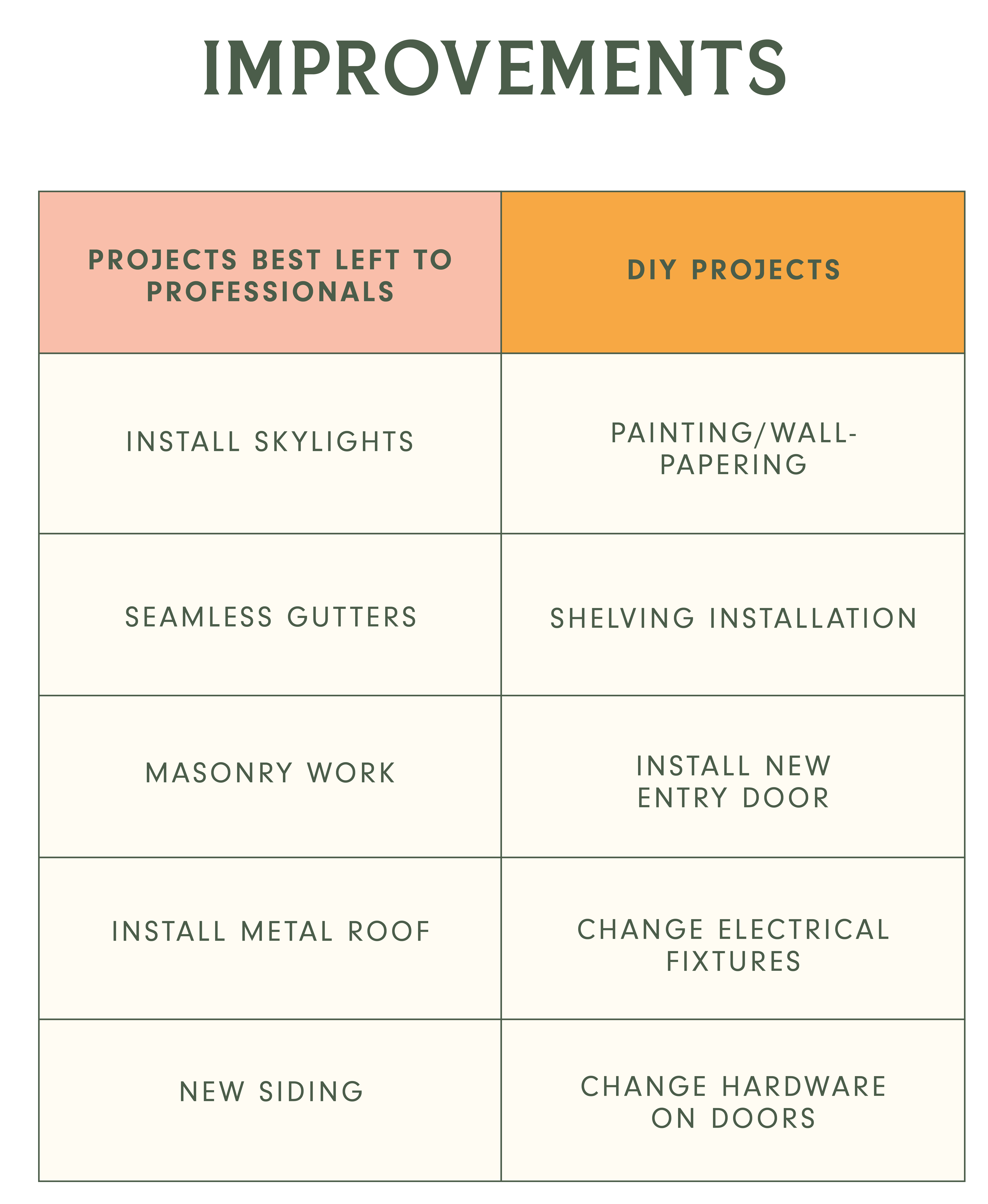
DIY installation can be a great option for beginners who are willing to put in the time and effort to learn the necessary skills. However, it is important to consider the complexity of the project and your own comfort level with handling tools and equipment. Simple DIY projects like installing shelves or painting walls can be easily accomplished by beginners with some guidance and research.
On the other hand, more complex projects like electrical work or major renovations may require professional expertise to ensure safety and quality. It is crucial to assess your own abilities and be honest with yourself about what you can handle. If you feel overwhelmed or unsure, it is always better to seek professional help to avoid costly mistakes or potential hazards.
2. What are the advantages of professional installation?
Professional installation offers several advantages that make it a preferred choice for many homeowners. Firstly, professionals have the experience and expertise to handle complex projects efficiently and effectively. They are trained to deal with various challenges that may arise during the installation process, ensuring a smooth and successful outcome.
Additionally, professional installations often come with warranties or guarantees, providing peace of mind and protection for the homeowner. If any issues arise after the installation, the professionals will take responsibility and fix them at no additional cost. Moreover, hiring professionals can save you time and effort, as they will handle all the logistics and coordination required for the project.
3. Are there cost savings with DIY installation?
DIY installation can potentially save you money, depending on the project and your own skills. By taking on the installation yourself, you eliminate the labor costs associated with hiring professionals. Additionally, you have more control over the materials and can choose more budget-friendly options.
However, it is important to consider the potential risks and costs associated with DIY mistakes. If you make errors during the installation process, you may end up spending more money to fix or redo the work. It is crucial to weigh the cost savings against the potential risks and the quality of the final result.
4. Can DIY installations match the quality of professional work?
While DIY installations can yield satisfactory results, it can be challenging to match the level of quality achieved by professionals. Professionals have the knowledge and experience to ensure precise measurements, proper techniques, and attention to detail. They also have access to specialized tools and equipment that may not be readily available to DIYers.
However, with proper research, preparation, and practice, DIY enthusiasts can achieve high-quality results. It is important to invest time in understanding the project requirements, following best practices, and seeking advice from experts or online resources. By honing your skills and paying attention to detail, you can achieve professional-level outcomes.
5. When should I consider a combination of DIY and professional installation?
In some cases, a combination of DIY and professional installation can be the best choice. This approach allows you to take on certain aspects of the project that you feel comfortable handling while leaving the more complex or specialized tasks to professionals.
For example, you could tackle the painting and minor repairs in a room renovation project while hiring professionals for electrical or plumbing work. This way, you can save costs on labor while ensuring the critical aspects of the project are handled by experts. It is important to assess your own skills and limitations to determine which parts of the project you can confidently handle and where professional assistance is necessary.
SimpliSafe vs. Vivint | DIY vs. Pro-installation Showdown
Final Thoughts: Making the Right Choice
After weighing the pros and cons of DIY versus professional installation, it’s clear that both options have their merits. DIY installation offers a sense of accomplishment and potential cost savings, while professional installation provides expertise and peace of mind. So, how do you make the right choice?
Ultimately, it comes down to your skill level, available time, and the complexity of the project. If you’re a seasoned DIY enthusiast with experience in similar projects, tackling the installation yourself may be a rewarding and cost-effective option. However, if you’re a novice or the project requires specialized knowledge, it’s wise to invest in professional installation to ensure the job is done right the first time.
Remember, safety should always be a priority. If you’re unsure about handling electrical, plumbing, or structural work, it’s best to leave it to the professionals. It’s also worth considering the long-term implications. Will DIY installation affect warranties or insurance coverage? Will professional work increase the value of your property?
In the end, the right choice is the one that aligns with your skills, resources, and goals. Whether you decide to DIY or hire a professional, remember to do thorough research, seek advice if needed, and always prioritize safety. Happy installing!