DIY Wiring Solutions: Troubleshooting And Fixes
Looking to tackle some DIY wiring projects but not sure where to start? Don’t worry, we’ve got you covered with our ultimate guide to DIY wiring solutions: troubleshooting and fixes. Whether you’re a seasoned DIY enthusiast or a beginner looking to learn the ropes, this article will provide you with all the information you need to successfully navigate your way through common wiring issues.
Electrical problems can be daunting, but with the right knowledge and tools, you can tackle them head-on. In this guide, we’ll walk you through troubleshooting techniques for identifying the root cause of wiring issues and provide easy-to-follow fixes for common problems. From flickering lights to faulty outlets, we’ll cover it all. So, grab your toolkit and get ready to become your own electrician in no time.
When it comes to DIY wiring solutions, having a solid understanding of troubleshooting techniques is crucial. By following our step-by-step instructions and helpful tips, you’ll be able to confidently diagnose and fix electrical problems in your home. No more relying on expensive professionals or wasting time and money on trial and error. With our guide, you’ll be able to handle any wiring issue that comes your way. So, let’s dive in and empower yourself with the knowledge and skills to conquer electrical challenges like a pro.
DIY Wiring Solutions: Troubleshooting and Fixes
When it comes to DIY wiring, troubleshooting and fixing common issues can save you time and money. Follow these steps to tackle wiring problems effectively:
- Identify the problem area and turn off the power supply.
- Check for loose connections or damaged wires.
- Use a voltage tester to ensure the power is off before making any repairs.
- If there are exposed wires, use electrical tape or wire nuts to secure them.
- If a circuit breaker keeps tripping, try redistributing the load or replacing the breaker.
- Test the wiring with a multimeter to detect any faults.
- If necessary, consult a professional electrician for complex issues.
Remember to prioritize safety and always consult a professional if you’re unsure about any DIY wiring projects.
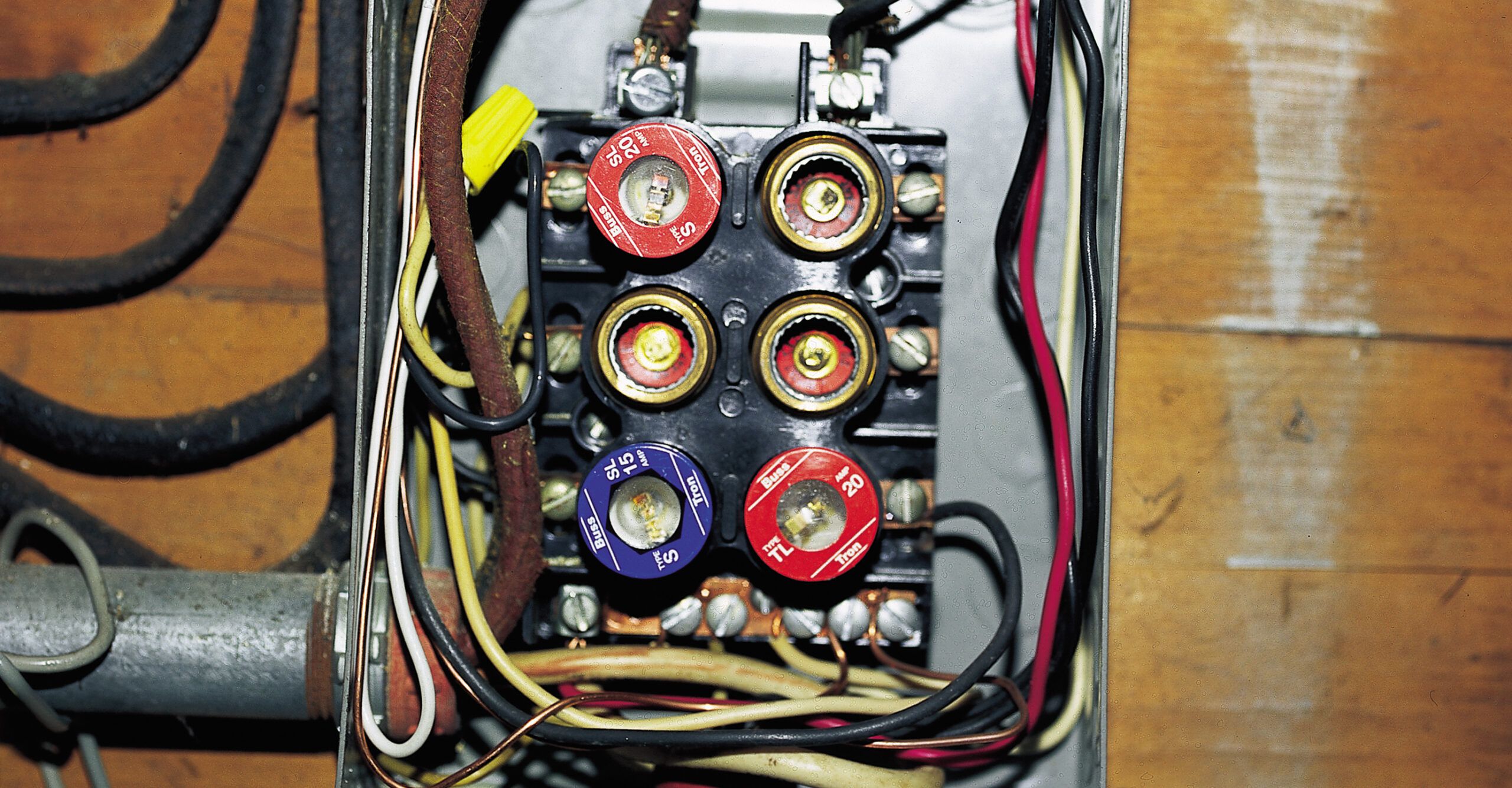
DIY Wiring Solutions: Troubleshooting and Fixes
Common Electrical Wiring Issues
Electrical issues can be a common occurrence in homes, causing inconvenience and potential hazards. One common problem is flickering lights, which can be caused by loose connections or overloaded circuits. Another issue is tripped circuit breakers, which may happen when there is a power overload or a short circuit. Additionally, faulty outlets, such as ones that don’t provide power or have loose connections, can also be a concern.
When faced with these electrical wiring issues, it’s important to address them promptly to ensure the safety and functionality of your home. In this section, we will explore some DIY troubleshooting and fixes for these common electrical problems.
Flickering Lights
Flickering lights can be frustrating and may even indicate an underlying electrical issue. To troubleshoot this problem, start by checking the light bulbs. Ensure they are properly screwed in and functioning correctly. If the flickering persists, the next step is to examine the light switch. Tighten any loose connections and replace the switch if necessary. If the problem still persists, it may be necessary to inspect the wiring connections in the electrical panel. However, it is recommended to consult a licensed electrician for this task to ensure safety.
In some cases, flickering lights can be a result of overloaded circuits. If you have multiple appliances or devices connected to the same circuit, consider redistributing the load or adding a dedicated circuit for high-power appliances. This can help alleviate the strain on the circuit and prevent flickering lights.
Tripped Circuit Breakers
A tripped circuit breaker is a safety feature that protects your home from electrical hazards. When a circuit is overloaded or there is a short circuit, the breaker trips, cutting off power to that circuit. To fix a tripped circuit breaker, start by locating the electrical panel in your home. Open the panel door and look for any breakers that are in the “off” position or in a middle position. To reset the breaker, firmly push it to the “off” position and then back to the “on” position.
If the breaker continues to trip after resetting it, there may be an underlying issue with the circuit. In such cases, it is recommended to consult a professional electrician to diagnose and repair the problem. Attempting to fix complex electrical issues without proper knowledge and expertise can be dangerous and may cause further damage.
Ensuring Proper Outlet Functionality
Outlets play a crucial role in providing power to our everyday devices and appliances. When outlets start malfunctioning, it can disrupt our daily routines. In this section, we will discuss some DIY solutions to common outlet problems.
Faulty Outlets
If you encounter an outlet that does not provide power or has loose connections, there are a few steps you can take to troubleshoot the issue. Start by checking if the outlet has tripped. Locate the GFCI (Ground Fault Circuit Interrupter) outlet in your home, which is usually found in bathrooms, kitchens, and outdoor areas. Press the “reset” button on the outlet to restore power. If this does not solve the problem, proceed to the next step.
Next, turn off the power to the affected outlet by flipping the corresponding circuit breaker in the electrical panel. Carefully remove the outlet cover and inspect the wiring connections. Ensure all wires are securely fastened and there are no loose or damaged wires. If you notice any issues, consult an electrician to make the necessary repairs. If the wiring appears intact, the outlet itself may be faulty and need replacing. It is recommended to hire a licensed professional for this task to ensure proper installation and safety.
Benefits of DIY Wiring Solutions
Opting for DIY wiring solutions can offer several benefits. Firstly, it allows you to save money by avoiding unnecessary service calls for minor electrical issues. By troubleshooting and fixing common problems yourself, you can eliminate the need for professional assistance. Additionally, DIY solutions empower you to take control of your home’s electrical system and gain a better understanding of how it works.
Furthermore, DIY wiring solutions can provide a sense of accomplishment and self-sufficiency. Successfully resolving electrical issues in your home can boost your confidence and make you feel more capable in handling future challenges. However, it is important to recognize your limitations and know when to seek professional help for complex electrical tasks.
Conclusion
Addressing common electrical wiring issues through DIY troubleshooting and fixes can save you time and money while ensuring the safety and functionality of your home. By following the steps outlined in this article, you can confidently tackle flickering lights, tripped circuit breakers, and faulty outlets. However, always prioritize safety and consult a licensed electrician for complex electrical problems to avoid any potential risks.
Key Takeaways: DIY Wiring Solutions – Troubleshooting and Fixes
- Always turn off the power before working on any wiring project.
- Check for loose connections and tighten them for a secure electrical connection.
- Use a voltage tester to ensure there is no power running through the wires.
- If you’re unsure about any wiring, consult a professional electrician for assistance.
- Label wires and keep a diagram to easily identify them during troubleshooting.
Frequently Asked Questions
What are some common DIY wiring problems?
When it comes to DIY wiring, there are a few common problems that people often encounter. One common issue is improper connections, where wires are not securely attached or stripped too far back. This can lead to loose connections or electrical shorts. Another common problem is incorrect wiring, where wires are connected in the wrong order or to the wrong terminals. This can cause circuits to malfunction or not work at all. Finally, exposed wires are also a common problem, as they can pose a safety hazard and increase the risk of electrical shocks.
To troubleshoot these issues, it’s important to double-check all connections and ensure they are secure. Testing the circuit with a multimeter can help identify any incorrect wiring. Additionally, it’s crucial to properly insulate and protect exposed wires to prevent accidents. If you’re unsure about tackling these problems yourself, it’s always best to consult a professional electrician.
How can I fix a faulty electrical outlet?
If you have a faulty electrical outlet, there are a few steps you can take to fix it. First, check if the outlet is receiving power by plugging in a working device or using a circuit tester. If there is no power, check the circuit breaker or fuse box to see if the circuit has tripped or blown a fuse. Resetting the circuit breaker or replacing the fuse may solve the problem.
If the outlet has power but is still not working, it may be a wiring issue. Turn off the power to the outlet and carefully remove the cover plate. Check for loose or damaged wires and tighten any loose connections. If the wires are damaged, they may need to be replaced. It’s important to follow proper safety precautions and turn off the power before working on electrical outlets. If you’re unsure or uncomfortable with electrical work, it’s best to call a professional electrician.
What should I do if a circuit keeps tripping?
If a circuit in your home keeps tripping, it could be caused by a few different factors. One common cause is overloading the circuit with too many devices or appliances. In this case, try unplugging some items and redistributing the load to different circuits. If the circuit continues to trip, it could be a sign of a short circuit or a ground fault.
To troubleshoot this issue, start by identifying which devices or outlets are connected to the circuit that keeps tripping. Inspect each device for any visible damage or loose connections. If you find a specific device causing the issue, it may need to be repaired or replaced. If the problem persists or you’re unsure about the cause, it’s best to seek the assistance of a qualified electrician.
How do I fix a light fixture that is not working?
If a light fixture is not working, there are a few steps you can take to troubleshoot and fix the problem. First, check if the light bulb is burned out and replace it if necessary. If the bulb is fine, turn off the power to the fixture and inspect the wiring connections. Make sure all wires are securely connected and there are no loose or damaged wires.
If the wiring appears to be in good condition, the issue may be with the switch or the fixture itself. Test the switch by replacing it with a known working switch or using a multimeter to check for continuity. If the switch is faulty, it will need to be replaced. If the issue persists, it’s best to consult a professional electrician for further assistance.
How can I safely repair a frayed electrical cord?
If you have a frayed electrical cord, it’s important to address the issue promptly to prevent electrical hazards. Start by unplugging the cord and inspecting the extent of the damage. If the fraying is minor, you can use electrical tape to wrap the affected area, ensuring the wires are properly insulated and protected.
However, if the fraying is extensive or near the plug or socket, it’s best to replace the cord altogether. Using a frayed cord can increase the risk of electrical shocks or fires. When replacing the cord, make sure to use a cord that is rated for the appropriate voltage and amperage. If you’re unsure about the process or uncomfortable working with electrical cords, it’s recommended to seek the assistance of a professional electrician.
Electrical Troubleshooting Basics – Isolation
Final Summary: DIY Wiring Solutions Made Easy!
After diving into the world of DIY wiring solutions and exploring troubleshooting tips and fixes, it’s clear that tackling electrical issues doesn’t have to be intimidating. With the right knowledge and tools, you can confidently handle common problems and ensure your home’s electrical system is safe and efficient.
Throughout this article, we’ve covered various topics, including identifying faulty wiring, troubleshooting circuit overloads, and fixing common electrical issues. By implementing these DIY solutions, you can save time and money by avoiding unnecessary professional assistance. Remember to always prioritize safety and consult a licensed electrician for complex or dangerous tasks.
In conclusion, DIY wiring solutions empower homeowners to take control of their electrical systems. With the information and techniques discussed in this article, you can troubleshoot and fix common issues with confidence. So go ahead, roll up your sleeves, and tackle those electrical problems like a pro! Your home will thank you for it.