
Electrical Code Compliance: Meeting Standards For A Safer Home
Welcome to the world of electrical code compliance, where safety and standards meet to create a safer home for you and your loved ones. In this article, we will delve into the importance of adhering to electrical codes and regulations, ensuring that your home is not only functional but also free from potential hazards. So, grab a cup of coffee, sit back, and let’s explore the fascinating world of electrical code compliance together.
In our modern society, electricity is an integral part of our daily lives. From powering our appliances to providing lighting and heating, we rely on electricity for almost everything. However, it’s crucial to understand that electricity can be dangerous if not handled properly. That’s where electrical codes come into play. These codes are a set of standards and regulations designed to ensure the safe installation and use of electrical systems in residential buildings. By following these codes, you can significantly reduce the risk of electrical accidents, fires, and other hazards. So, let’s dive into the intricacies of electrical code compliance and discover how meeting these standards can create a safer haven for you and your family.
Electrical code compliance is crucial for ensuring the safety of your home. By meeting the standards set forth in the electrical code, you can prevent potential hazards such as electrical fires and electrocution. To achieve compliance, it’s important to hire a licensed electrician who is knowledgeable about the local electrical code requirements. They will ensure that all electrical installations and repairs are done according to code, including proper grounding, wiring, and circuit protection. Regular inspections and maintenance are also necessary to maintain compliance and keep your home safe.
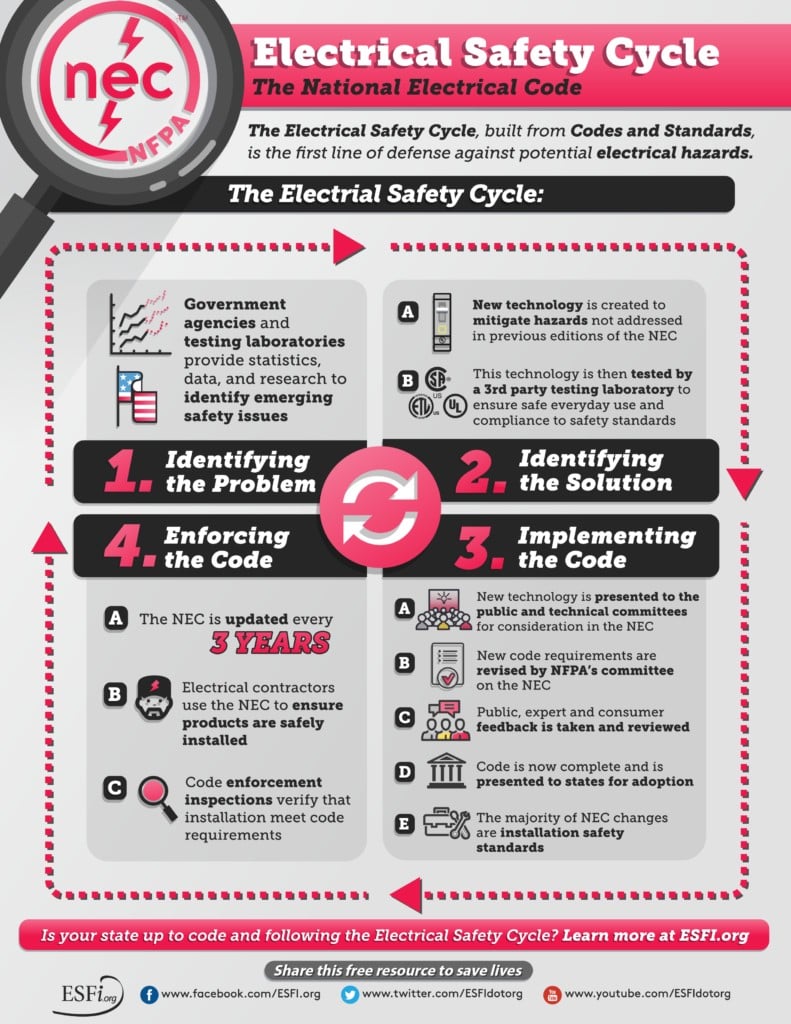
Electrical Code Compliance: Meeting Standards for a Safer Home
Electrical code compliance is essential for ensuring the safety and well-being of your home and family. Meeting the standards set by electrical codes not only reduces the risk of electrical hazards but also ensures that your electrical system is functioning optimally. In this article, we will discuss the importance of electrical code compliance and provide valuable insights on how you can meet these standards for a safer home.
The Importance of Electrical Code Compliance
Electrical code compliance is crucial because it sets the minimum safety requirements for electrical installations. These codes are developed based on extensive research, industry best practices, and lessons learned from past incidents. By adhering to these codes, you are taking proactive measures to prevent electrical accidents, fires, and other hazards.
Code compliance also ensures that your electrical system is designed and installed correctly. When electrical work is performed according to code, it minimizes the risk of electrical malfunctions, which can lead to power outages, damage to appliances, or even electrical shock.
Additionally, electrical code compliance is often a requirement for obtaining permits and passing inspections. When you comply with electrical codes, you are not only protecting your home and family but also avoiding potential legal and financial consequences.
Meeting Electrical Code Standards
To meet electrical code standards, it is crucial to hire a qualified electrician who is knowledgeable about local codes and regulations. They will ensure that your electrical system is installed, repaired, or upgraded in compliance with the applicable codes. Here are some key areas to focus on when striving for electrical code compliance:
1. Wiring: The electrical wiring in your home should be properly installed, protected, and grounded. This includes using the correct wire size, installing junction boxes, and following proper wiring methods.
2. Outlets and Switches: All outlets and switches should be installed at the correct height, securely mounted, and wired correctly. Ground-fault circuit interrupters (GFCIs) should be installed in areas prone to moisture, such as kitchens and bathrooms.
3. Electrical Panels: The electrical panel should be properly sized, labeled, and installed in a well-ventilated area. The circuit breakers or fuses should be correctly matched to the wiring and appliances they protect.
4. Lighting: Light fixtures and bulbs should be installed according to code, ensuring proper wattage and clearance. Outdoor lighting should be weatherproof and protected against water intrusion.
5. Surge Protection: Installing surge protectors can safeguard your home against power surges, protecting sensitive electronics and appliances.
6. Grounding: Proper grounding of electrical systems and equipment is essential for preventing electrical shocks and reducing the risk of electrical fires. Ensure that your home’s grounding system is up to code.
By addressing these key areas and working with a qualified electrician, you can ensure that your electrical system meets the necessary code standards, providing a safer living environment for you and your family.
Benefits of Electrical Code Compliance
Electrical code compliance offers several benefits that go beyond ensuring safety. Here are some advantages of meeting electrical code standards:
1. Enhanced Safety: Compliance with electrical codes reduces the risk of electrical accidents, fires, and injuries, providing a safer environment for your family.
2. Energy Efficiency: Following code requirements for electrical installations promotes energy efficiency, helping you save on utility bills and reducing your carbon footprint.
3. Home Insurance: Many insurance providers require electrical code compliance as a condition for coverage. Meeting these standards can ensure that your home insurance policy remains valid.
4. Resale Value: A home with an electrical system that meets current code standards is more attractive to potential buyers and can increase the resale value of your property.
5. Peace of Mind: By knowing that your electrical system is code-compliant, you can have peace of mind, knowing that you have taken necessary measures to protect your family and property.
Tips for Ensuring Electrical Code Compliance
To ensure electrical code compliance, consider the following tips:
1. Hire a Licensed Electrician: Work with a licensed electrician who is familiar with local codes and regulations. They will ensure that all work is performed in compliance with the applicable standards.
2. Stay Informed: Familiarize yourself with the electrical codes and regulations in your area. This knowledge will help you make informed decisions and communicate effectively with your electrician.
3. Regular Inspections: Schedule regular electrical inspections to identify any potential code violations or safety hazards. Promptly address any issues that arise during these inspections.
4. Use Quality Materials: Invest in high-quality electrical materials and equipment that meet code requirements. Using substandard products can compromise the safety and performance of your electrical system.
5. Educate Yourself: Stay updated on electrical code changes and advancements in electrical technology. This knowledge will empower you to make informed decisions and ensure ongoing code compliance.
In conclusion, electrical code compliance is essential for maintaining a safe and functional electrical system in your home. By adhering to these standards and working with qualified professionals, you can ensure the safety of your family, protect your property, and enjoy the benefits of a code-compliant electrical system. Remember, safety should always be a top priority when it comes to electrical installations and maintenance.
Key Takeaways: Electrical Code Compliance for a Safer Home
- Electrical code compliance ensures your home meets safety standards.
- Complying with electrical codes helps prevent electrical hazards.
- Regular inspections by professionals ensure code compliance.
- Code compliance includes proper wiring, grounding, and outlet placement.
- Following electrical code standards reduces the risk of electrical fires and shocks.
Frequently Asked Questions
What is electrical code compliance?
Electrical code compliance refers to meeting the standards and regulations set by the National Electrical Code (NEC) to ensure the safe installation and use of electrical systems in residential homes. These codes are designed to protect homeowners from electrical hazards and reduce the risk of electrical fires, shocks, and other accidents.
Compliance with electrical codes involves following specific guidelines for wiring, grounding, circuit protection, and other electrical components. It ensures that electrical work is done correctly, with proper materials and techniques, to maintain a safe and reliable electrical system.
Why is electrical code compliance important?
Electrical code compliance is crucial for maintaining a safe living environment in your home. By adhering to electrical codes, you can minimize the risk of electrical accidents, such as fires and shocks. Compliance also helps to ensure that electrical installations are done correctly, reducing the likelihood of system malfunctions and breakdowns.
Furthermore, meeting electrical code standards is essential for insurance coverage and home inspections. Non-compliance can result in denied insurance claims or difficulties selling your home. By prioritizing electrical code compliance, you can protect your property, your loved ones, and your investment.
How can I ensure electrical code compliance in my home?
To ensure electrical code compliance in your home, it is recommended to hire a licensed electrician who is knowledgeable about local electrical codes. They will be able to assess your electrical system, identify any non-compliant areas, and make the necessary repairs or upgrades.
It is important to perform regular electrical inspections and maintenance to ensure ongoing compliance with electrical codes. This includes checking for damaged wiring, outdated electrical panels, and faulty outlets. Additionally, when undertaking any electrical work, always follow the NEC guidelines and obtain the necessary permits.
What are some common electrical code violations to watch out for?
There are several common electrical code violations that homeowners should be aware of. These include:
1. Overloaded circuits: Plugging too many devices into a single circuit can lead to overheating and potential fire hazards.
2. Improper grounding: Inadequate grounding can result in electrical shocks and damage to appliances.
3. Incorrect junction box installation: Junction boxes must be properly installed and accessible for safety and maintenance purposes.
4. Lack of GFCI protection: Ground Fault Circuit Interrupters (GFCIs) are required in areas with water, such as bathrooms and kitchens, to prevent electrical shocks.
5. Inadequate spacing around electrical panels: There should be enough space around electrical panels for safe operation and maintenance.
Can I fix electrical code violations on my own?
While some minor electrical repairs and upgrades can be done by homeowners, it is generally recommended to hire a licensed electrician to address electrical code violations. They have the knowledge and expertise to ensure that the necessary repairs are done correctly and in compliance with electrical codes.
Attempting to fix electrical code violations without proper training and understanding can be dangerous and may result in further non-compliance or electrical hazards. It is always best to consult a professional to ensure the safety and compliance of your electrical system.
Final Thoughts: Making Your Home Safer with Electrical Code Compliance
When it comes to ensuring the safety of your home, electrical code compliance is crucial. By meeting the standards set forth in the electrical code, you are not only protecting your property but also safeguarding the lives of your loved ones. In this article, we’ve explored the importance of electrical code compliance and how it contributes to a safer living environment.
By adhering to electrical code regulations, you are ensuring that your home’s electrical systems are installed, maintained, and operated in a safe manner. This includes everything from properly grounding electrical circuits to installing tamper-resistant outlets. These measures may seem small, but they play a significant role in reducing the risk of electrical hazards such as shock, electrocution, and electrical fires.
Remember, electrical code compliance goes beyond just meeting legal requirements. It is about prioritizing the safety and well-being of your family. So, whether you’re building a new home or renovating an existing one, always consult a licensed electrician and ensure that your electrical systems are up to code. Investing in electrical code compliance today will provide you with peace of mind and a safer home for years to come.
So, don’t compromise when it comes to electrical safety. Make sure your home meets the necessary electrical code standards and enjoy the peace of mind that comes with knowing your loved ones are protected. Prioritize electrical code compliance and create a safer living environment for you and your family. Stay informed, stay safe!


