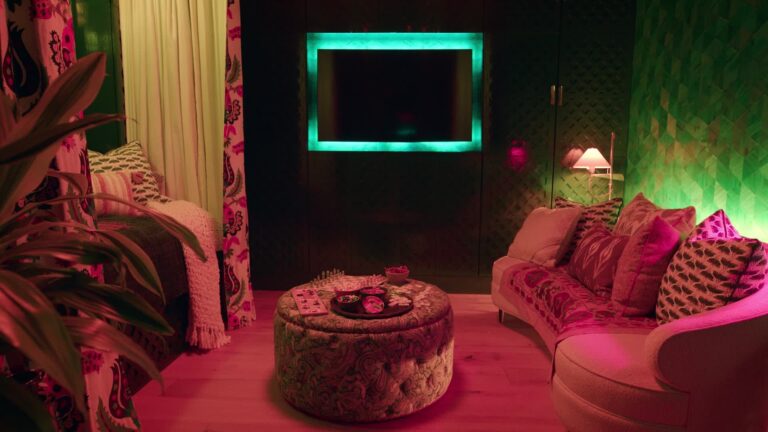
Smart Lighting And Circadian Rhythms: Improving Sleep
Have you ever struggled to fall asleep at night, tossing and turning in bed as your mind races with thoughts and worries? Well, fret no more, because there’s a solution that can help improve your sleep quality: smart lighting and circadian rhythms. In this article, we’ll explore how these two concepts work hand in hand to promote a restful night’s sleep, and how you can harness their power to wake up feeling refreshed and rejuvenated.
Imagine a world where your lighting system is not just a tool for illumination, but a key player in regulating your body’s natural sleep-wake cycle. That’s exactly what smart lighting aims to achieve. By mimicking the natural patterns of daylight and adjusting the color and intensity of your lights throughout the day, it helps to reset your circadian rhythms, which are the internal clocks that govern your sleep patterns.
So, how does it work? During the day, smart lighting systems can provide bright, cool-toned light that helps keep you alert and focused. As the evening approaches, the lights gradually transition to warmer, dimmer hues, signaling to your body that it’s time to wind down and prepare for sleep. This gentle shift in lighting can help stimulate the production of melatonin, the hormone responsible for regulating sleep, making it easier for you to drift off into dreamland. Plus, with the convenience of smartphone apps and voice control, you can effortlessly customize your lighting preferences to suit your individual needs and preferences.
By incorporating smart lighting into your home, you can create a soothing and sleep-friendly environment that supports your body’s natural sleep-wake cycle. So, say goodbye to sleepless nights and hello to restful slumber with the power of smart lighting and circadian rhythms. Get ready to wake up feeling refreshed and ready to tackle the day ahead!
Smart lighting and circadian rhythms have a significant impact on our sleep quality. By using smart lighting systems, we can enhance our sleep patterns and improve overall sleep health. These systems mimic natural daylight and adjust lighting levels throughout the day to align with our circadian rhythms. This helps regulate our internal body clock and promote better sleep. With smart lighting, we can create a relaxing environment before bedtime and gradually dim the lights to signal our bodies to prepare for sleep. In the morning, the lights can simulate a sunrise, gently waking us up and promoting a more refreshed feeling. Incorporating smart lighting into our sleep routine can lead to a more restful and rejuvenating sleep experience.

Smart Lighting and Circadian Rhythms: Improving Sleep
Smart lighting technology has revolutionized the way we illuminate our homes, but did you know that it can also have a profound impact on our sleep? The connection between light and sleep is deeply rooted in our circadian rhythms, the natural 24-hour cycles that regulate our sleep-wake patterns. By understanding how smart lighting can be used to optimize our circadian rhythms, we can create a sleep environment that promotes better sleep and overall well-being.
In this article, we will explore the fascinating relationship between smart lighting and circadian rhythms, and how incorporating this technology into our homes can improve the quality of our sleep. From understanding the science behind circadian rhythms to practical tips on implementing smart lighting solutions, we will delve into the various ways in which smart lighting can enhance our sleep and contribute to a healthier lifestyle.
The Science of Circadian Rhythms
Circadian rhythms are the internal processes that regulate our sleep-wake cycles, hormone production, body temperature, and other biological functions. These rhythms are primarily influenced by external factors, with light being one of the most powerful cues for regulating our internal clock. The light we are exposed to throughout the day, particularly in the morning and evening, plays a crucial role in maintaining a healthy sleep-wake cycle.
When we are exposed to bright, natural light in the morning, our bodies receive a signal to wake up and start the day. This exposure suppresses the production of melatonin, a hormone that promotes sleep, and increases alertness and cognitive function. In the evening, as the sun sets and light levels decrease, our bodies naturally begin to produce melatonin, signaling that it is time to wind down and prepare for sleep.
The Impact of Smart Lighting on Circadian Rhythms
Smart lighting systems can mimic the natural light patterns that our bodies are attuned to, helping to regulate our circadian rhythms and improve the quality of our sleep. These systems typically consist of LED bulbs that can be programmed to emit specific colors and intensities of light throughout the day.
One of the key features of smart lighting is the ability to adjust the color temperature of the light. During the day, cool, bluish light can help promote wakefulness and alertness, while warmer, reddish light in the evening can trigger the production of melatonin and prepare our bodies for sleep. By syncing our smart lighting system with the natural light outside, we can create a seamless transition between natural and artificial light, supporting our circadian rhythms.
The Benefits of Smart Lighting for Sleep
Implementing smart lighting solutions in our bedrooms can have a wide range of benefits for our sleep and overall well-being. Here are some of the key advantages:
- Improved Sleep Quality: By aligning our indoor lighting with the natural light outside, we can achieve a more consistent sleep-wake cycle, leading to better sleep quality.
- Reduced Evening Disruptions: Smart lighting systems can be programmed to gradually dim the lights in the evening, reducing the exposure to stimulating light that can interfere with the production of melatonin.
- Enhanced Morning Wake-Up: Waking up to gradually increasing light levels can help us feel more refreshed and energized in the morning, mimicking the natural sunrise.
- Personalized Lighting Preferences: Smart lighting systems often come with customizable settings, allowing us to adjust the color and intensity of the light to our individual preferences and needs.
- Energy Efficiency: LED bulbs used in smart lighting systems are energy-efficient, consuming less electricity and reducing our carbon footprint.
Tips for Incorporating Smart Lighting into Your Sleep Routine
Ready to optimize your sleep with smart lighting? Here are some tips to help you get started:
- Choose the Right Bulbs: Look for LED bulbs that offer adjustable color temperature and brightness levels to create a customized lighting experience.
- Create Lighting Scenes: Set up different lighting scenes for waking up, winding down, and sleeping to create a seamless transition throughout the day.
- Use Timers and Automation: Program your smart lighting system to gradually dim the lights in the evening and gradually increase them in the morning to mimic natural light patterns.
- Limit Screen Time: Minimize exposure to bright screens, such as smartphones and tablets, in the evening, as they can disrupt the production of melatonin and interfere with sleep.
- Experiment and Adjust: Fine-tune your smart lighting settings to find the optimal combination that supports your sleep and overall well-being.
By incorporating smart lighting into our sleep routines, we can harness the power of light to optimize our circadian rhythms and promote better sleep. With customizable settings and the ability to mimic natural light patterns, smart lighting systems offer a unique opportunity to enhance our sleep environment and improve our overall quality of life.
Key Takeaways: Smart Lighting and Circadian Rhythms – Improving Sleep
- Smart lighting can help improve sleep by mimicking natural light patterns.
- By adjusting the color and intensity of light, smart lighting can support our body’s natural circadian rhythms.
- Exposure to bright blue light in the morning can help wake us up and boost alertness.
- Dimming the lights and using warmer tones in the evening can signal our body to prepare for sleep.
- Smart lighting systems can be programmed to automatically adjust throughout the day, promoting healthier sleep patterns.
Frequently Asked Questions
What is the relationship between smart lighting and circadian rhythms?
Smart lighting refers to lighting systems that can be controlled and adjusted using technology such as smartphones or voice assistants. Circadian rhythms, on the other hand, are the natural internal processes that regulate our sleep-wake cycle. The relationship between smart lighting and circadian rhythms lies in the ability of smart lighting systems to mimic natural light patterns and support the synchronization of our internal clock.
By adjusting the color temperature and intensity of the light throughout the day, smart lighting can help regulate our circadian rhythms. Bright, blue-enriched light in the morning can promote wakefulness, while warmer, dimmer light in the evening can signal our bodies to prepare for sleep. This alignment with our natural rhythms can improve our sleep quality and overall well-being.
How can smart lighting improve sleep?
Smart lighting can improve sleep by helping to maintain a healthy sleep-wake cycle. By simulating the natural changes in light that occur throughout the day, smart lighting can support the body’s production of melatonin, a hormone that regulates sleep. When exposed to bright, blue-enriched light in the morning, melatonin production decreases, promoting wakefulness. In the evening, when the light is dimmed and warmer in color, melatonin production increases, signaling the body to prepare for sleep.
In addition to promoting the production of melatonin, smart lighting can also help regulate sleep by reducing exposure to artificial light at night. The blue light emitted by electronic devices such as smartphones and tablets can disrupt the natural sleep-wake cycle. Smart lighting systems can be programmed to automatically dim or adjust the color temperature of the lights in the evening, reducing the exposure to blue light and promoting better sleep.
Can smart lighting help with sleep disorders?
Smart lighting can be a helpful tool for individuals with sleep disorders. For those with delayed sleep phase syndrome, where the internal body clock is delayed, smart lighting can gradually increase the light intensity and shift the color temperature to help reset the sleep-wake cycle. This can assist in falling asleep and waking up at more appropriate times.
Similarly, individuals with insomnia can benefit from smart lighting by creating a sleep-friendly environment. By adjusting the lighting to mimic natural light patterns and promoting relaxation, smart lighting can help improve sleep quality and increase the chances of falling asleep more easily.
What are the other benefits of using smart lighting for sleep?
In addition to improving sleep, smart lighting offers several other benefits. One notable advantage is energy efficiency. Smart lighting systems utilize LED technology, which is highly energy-efficient and can help reduce electricity consumption. This not only benefits the environment but also results in cost savings for the user.
Furthermore, smart lighting allows for convenient control and customization. With the ability to adjust the lighting settings using a smartphone or voice commands, users can easily create personalized lighting preferences that suit their sleep and wake-up routines. Smart lighting systems can also be integrated with other smart home devices, enabling automation and enhancing overall home comfort and convenience.
Are there any potential drawbacks or considerations when using smart lighting for sleep?
While smart lighting can be beneficial for improving sleep, it is important to consider individual preferences and sensitivities. Some individuals may find certain light intensities or color temperatures more stimulating or disruptive to their sleep. It may require some experimentation to find the optimal settings that work best for each individual.
Additionally, reliance on technology for controlling smart lighting systems may introduce potential issues such as connectivity problems or software glitches. It is important to have backup options and ensure the reliability of the smart lighting system to avoid any disruptions to sleep routines. Lastly, it is worth noting that smart lighting systems may require upfront investment and installation, which should be taken into consideration when evaluating the overall cost and benefits.
How Light Impacts Your Sleep and Mood: Easy Daily Tactics from Dr. Andrew Huberman
Final Thoughts: A Brighter Future for Sleep
As we wrap up this illuminating journey into the world of smart lighting and its impact on our circadian rhythms, it’s clear that we have discovered a powerful tool for improving our sleep quality. By harnessing the potential of technology, we can create an environment that aligns with our natural sleep-wake cycle and enhances our overall well-being.
Smart lighting offers a range of benefits when it comes to optimizing our sleep patterns. From its ability to mimic natural sunlight to its customizable settings that adapt to our preferences, this innovative solution has the potential to transform our sleep routines for the better. Whether it’s gradually dimming the lights to prepare us for slumber or gently waking us up with a simulated sunrise, smart lighting has the power to restore balance to our circadian rhythms.
But it’s not just about the technology itself; it’s about the awareness and understanding we gain from this exploration. By acknowledging the impact of light on our sleep, we can make informed choices to create a sleep-friendly environment. So, let’s embrace the possibilities that smart lighting offers and embark on a journey towards a brighter future for our sleep. Sweet dreams await!