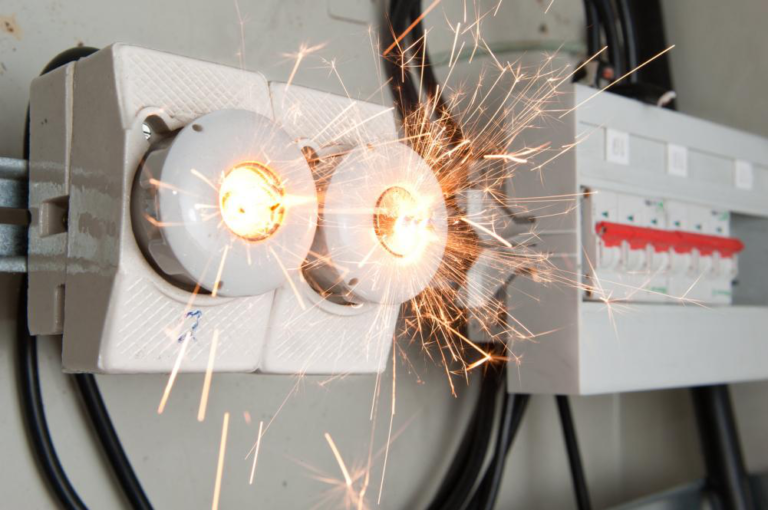
Wired For Safety: Best Practices In Electrical Systems
When it comes to electrical systems, safety should always be the top priority. We rely on electricity for almost everything in our daily lives, from powering our homes to charging our devices. But do we really understand the best practices for keeping ourselves and our loved ones safe? In this article, we will explore the importance of being “Wired for Safety” and delve into the best practices for electrical systems.
Electrical systems can be complex and intimidating, but fear not! We’re here to guide you through the do’s and don’ts of electrical safety in a way that is easy to understand and implement. Whether you’re a homeowner, a renter, or simply someone who wants to be more informed about electrical safety, this article is for you. So grab a cup of coffee, sit back, and let’s dive into the world of electrical safety and best practices.
Wired for Safety: Best Practices in Electrical Systems
When it comes to electrical systems, safety should always be a top priority. By following best practices, you can ensure the safety of your home or workplace. Here are some key tips:
- Invest in high-quality electrical components.
- Hire a licensed electrician for installations and repairs.
- Regularly inspect your electrical system for any signs of damage or wear.
- Keep electrical cords away from heat sources and avoid overloading outlets.
- Install ground fault circuit interrupters (GFCIs) in areas prone to moisture.
By implementing these best practices, you can reduce the risk of electrical hazards and protect yourself and your property.

Wired for Safety: Best Practices in Electrical Systems
In today’s modern world, electricity is an essential part of our daily lives. From powering our homes and offices to fueling our technological devices, we rely heavily on electrical systems. However, it’s crucial to prioritize safety when it comes to dealing with electricity. Understanding and implementing best practices in electrical systems can help prevent accidents, fires, and other hazards. In this article, we will explore the key recommendations and guidelines for ensuring the safety of electrical systems.
Understanding Electrical Systems
Before delving into the best practices, it’s important to have a basic understanding of electrical systems. Electrical systems consist of various components, including wiring, circuit breakers, switches, outlets, and appliances. These components work together to distribute electricity throughout a building or space. It’s crucial to ensure that these components are installed correctly and maintained properly to prevent electrical accidents.
One of the most important aspects of electrical systems is grounding. Grounding provides a safe pathway for electrical currents to flow into the ground in the event of a fault. This helps prevent electrical shocks and fires. Proper grounding is a fundamental element of electrical safety and should be implemented in all electrical systems.
Best Practices for Electrical System Safety
When it comes to electrical systems, following best practices is essential to ensure safety. Here are some key recommendations:
Proper Installation and Maintenance
The installation of electrical systems should always be carried out by a licensed electrician. They have the knowledge and expertise to ensure that the wiring, outlets, switches, and other components are installed correctly and meet the necessary safety standards. Regular maintenance is also crucial to identify and address any potential issues before they turn into safety hazards.
Additionally, it’s important to use high-quality materials and equipment during installation. Cheap or substandard materials can pose significant risks and compromise the safety of the electrical system.
Regular Inspections
Regular inspections of electrical systems are essential to identify any potential problems. These inspections should be conducted by a qualified electrician who can assess the condition of the wiring, outlets, switches, and other components. Any damaged or outdated parts should be replaced promptly to avoid safety hazards.
Inspections are particularly important for older buildings or those that have undergone renovations or additions. Changes in the electrical system may require updates to ensure compliance with current safety standards.
Proper Use of Outlets and Extension Cords
Misuse of outlets and extension cords can lead to electrical accidents. Overloading outlets with too many devices or appliances can cause overheating and lead to fires. It’s important to distribute the load evenly among outlets and avoid using multiple extension cords or power strips.
Furthermore, extension cords should be used as temporary solutions and not as permanent wiring. They should never be run under rugs or carpets, as this can cause overheating and create a tripping hazard.
Ground Fault Circuit Interrupters (GFCIs)
GFCIs are electrical devices that provide protection against electrical shocks. They monitor the flow of electricity and can quickly shut off the power if they detect a fault. GFCIs should be installed in areas where water is present, such as kitchens, bathrooms, and outdoor outlets.
Regular testing of GFCIs is necessary to ensure they are functioning properly. Pressing the “test” button should cause the power to shut off, indicating that the GFCI is working as intended.
Benefits of Following Best Practices in Electrical Systems
By following best practices in electrical systems, individuals and businesses can enjoy several benefits:
Enhanced Safety
Implementing best practices ensures that electrical systems are safe and minimize the risk of accidents, electrical shocks, and fires. This provides peace of mind and protects both individuals and property.
Compliance with Regulations
Following best practices ensures compliance with electrical safety regulations and codes. This is particularly important for businesses, as non-compliance can result in legal consequences and potential liability.
Extended Lifespan of Electrical Components
Proper installation, maintenance, and usage of electrical components can extend their lifespan. This reduces the need for frequent replacements and saves costs in the long run.
Energy Efficiency
Electrical systems that are installed and maintained properly tend to be more energy-efficient. This can result in lower energy bills and a reduced environmental impact.
Conclusion
Ensuring the safety of electrical systems should be a top priority for individuals and businesses alike. By following best practices, such as proper installation, regular inspections, and safe usage of electrical components, the risk of accidents, fires, and other hazards can be significantly reduced. Prioritizing electrical system safety not only protects individuals and property but also ensures compliance with regulations and promotes energy efficiency.
Key Takeaways – Wired for Safety: Best Practices in Electrical Systems
- Always hire a licensed electrician for any electrical work.
- Regularly inspect and maintain electrical systems to prevent hazards.
- Use surge protectors to safeguard sensitive electronic devices.
- Keep electrical cords away from water and heat sources.
- Teach children about electrical safety and the dangers of playing with outlets or cords.
Frequently Asked Questions
What are the key best practices for ensuring electrical system safety?
Ensuring electrical system safety is of utmost importance to prevent accidents and potential hazards. Here are some key best practices:
Firstly, always hire a licensed and qualified electrician to install and maintain your electrical system. They have the expertise and knowledge to ensure proper installation and adherence to safety standards. Secondly, regularly inspect your electrical system for any signs of wear and tear, such as frayed wires or loose connections, and promptly address any issues. Thirdly, avoid overloading circuits by distributing electrical loads evenly and using surge protectors. Additionally, it is crucial to keep electrical equipment away from water sources to prevent electrocution. Lastly, educate yourself and your family members on basic electrical safety precautions, such as not touching electrical appliances with wet hands.
How can I prevent electrical fires in my home?
Preventing electrical fires requires vigilance and adherence to safety measures. Here are some steps you can take:
Firstly, be mindful of overloading outlets by using power strips and extension cords sparingly. Spread out electrical loads across multiple outlets to prevent overheating. Secondly, regularly inspect and replace damaged or frayed electrical cords. Avoid running cords under carpets or placing them in areas where they can be damaged. Thirdly, never leave electrical appliances unattended and make sure to turn them off when not in use. Additionally, installing smoke detectors and testing them regularly is crucial for early detection of electrical fires. Lastly, consider installing arc fault circuit interrupters (AFCIs) and ground fault circuit interrupters (GFCIs) in your home, as they provide additional protection against electrical fires.
What are the dangers of DIY electrical work?
While DIY projects can be fun and cost-effective, attempting electrical work without proper knowledge and expertise can be extremely dangerous. Here are some dangers of DIY electrical work:
Firstly, faulty electrical wiring can lead to electrical shocks and electrocution. Without the necessary training, it is easy to make critical mistakes that can put your safety at risk. Secondly, improper installation can lead to electrical fires, which can cause significant damage to your property and endanger lives. Additionally, DIY electrical work may not comply with local electrical codes and regulations, leading to potential legal issues and difficulties when selling your property. Lastly, without a licensed electrician’s expertise, you may not be able to diagnose and rectify electrical problems effectively, resulting in recurring issues and additional expenses.
What should I do if I experience an electrical shock?
If you experience an electrical shock, it is essential to take immediate action to ensure your safety. Here are the steps to follow:
Firstly, disconnect the power source by unplugging the electrical appliance or turning off the circuit breaker if it is safe to do so. Secondly, assess the severity of the shock. If it is a minor shock, you may experience tingling or a slight jolt. However, if the shock is severe or accompanied by burns, loss of consciousness, or difficulty breathing, call emergency services immediately. Thirdly, if the shock is minor, seek medical attention to ensure there are no underlying injuries or complications. It is always better to be safe and have a medical professional assess your condition. Lastly, after experiencing an electrical shock, it is crucial to have a licensed electrician inspect your electrical system to identify any potential issues and prevent future accidents.
How often should I schedule electrical system inspections?
Scheduling regular electrical system inspections is vital to identify potential hazards and maintain safety. The frequency of inspections depends on various factors. Generally, it is recommended to have a professional electrician inspect your electrical system at least once every 3-5 years. However, there are certain instances when more frequent inspections are necessary. These include moving into an older home, experiencing frequent electrical issues, or undergoing significant renovations. Additionally, if you notice any signs of electrical problems, such as flickering lights or tripping circuit breakers, it is advisable to schedule an inspection promptly. Regular inspections not only ensure safety but also help prolong the lifespan of your electrical system by addressing minor issues before they become major problems.
Final Thought: Stay Safe and Amp up Your Electrical System
As we wrap up our discussion on best practices in electrical systems, it’s clear that safety should always be the top priority. By implementing the right measures and following expert advice, you can ensure that your electrical system is wired for safety. Remember, prevention is key when it comes to electrical hazards.
One important aspect to keep in mind is regular maintenance. Just like any other system, electrical systems require periodic check-ups and inspections. By scheduling routine maintenance, you can identify and address potential issues before they become major problems. This not only keeps you safe but also helps to extend the lifespan of your electrical system.
Additionally, always hire a qualified electrician for any repairs or installations. Trying to DIY electrical work may seem tempting, but it can be extremely dangerous. A professional electrician has the knowledge, skills, and experience to handle electrical tasks safely and effectively.
Lastly, educate yourself and your family about electrical safety. Teach everyone in your household about the dangers of electricity and how to handle electrical emergencies. By being prepared and knowledgeable, you can prevent accidents and respond appropriately in case of a crisis.
So, whether you’re a homeowner or a business owner, prioritize safety when it comes to your electrical system. By following these best practices and taking the necessary precautions, you can enjoy a well-wired and secure environment.
Remember, electricity is a powerful force, but with the right precautions, you can harness its energy safely and efficiently. Stay safe, stay informed, and keep your electrical system wired for safety.