Electrical Safety: Protecting Your Home And Family
When it comes to the safety of your home and family, electrical safety should be a top priority. It’s easy to overlook the potential dangers that lurk within our walls, but taking the necessary precautions can protect your loved ones and give you peace of mind. In this article, we will explore the importance of electrical safety and provide you with practical tips to safeguard your home and family from potential hazards. So let’s dive in and discover how you can ensure the electrical safety of your home and loved ones!
The electrical system in your home is like the invisible lifeline that powers your daily activities. From charging your devices to powering your appliances, we rely on electricity for countless tasks. However, it’s crucial to remember that electricity can be dangerous if not handled properly. Faulty wiring, overloaded circuits, and outdated electrical systems can lead to electrical fires, shocks, or even electrocution. That’s why it’s essential to educate yourself on electrical safety measures and take proactive steps to protect your home and family. In this article, we will explore some practical tips and guidelines that can help you create a safe and secure environment. So let’s get started and ensure that your home is a haven of electrical safety for you and your loved ones!
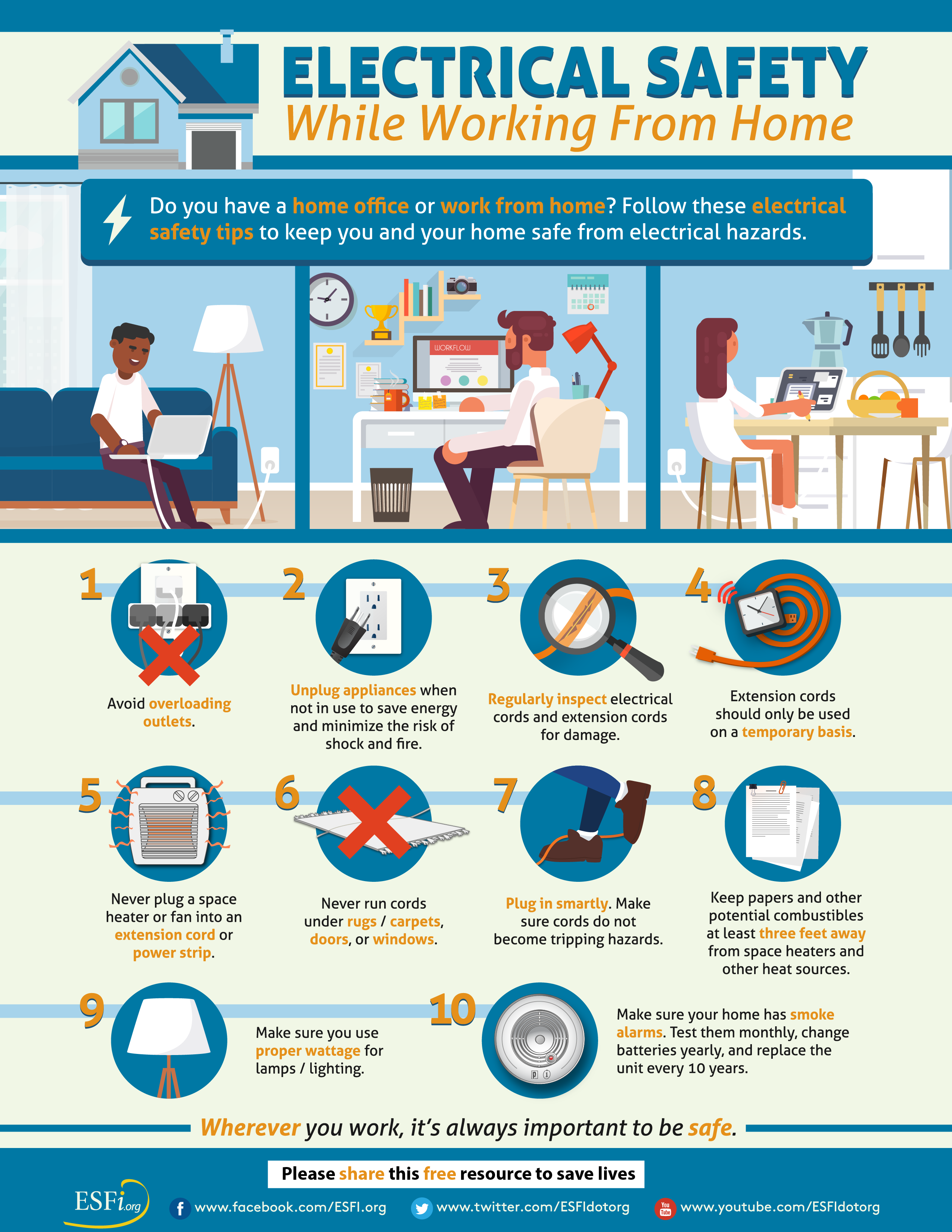
1. Regularly inspect electrical cords and outlets for any signs of damage or wear.
2. Avoid overloading outlets by using power strips and extension cords sparingly.
3. Install ground fault circuit interrupters (GFCIs) in areas prone to moisture, such as kitchens and bathrooms.
4. Keep flammable materials away from electrical appliances.
5. Consider hiring a licensed electrician for any electrical repairs or installations.
By prioritizing electrical safety, you can prevent accidents and protect your loved ones from potential hazards.
Electrical Safety: Protecting Your Home and Family
Electrical safety is a crucial aspect of maintaining a secure and hazard-free home environment. The proper precautions and awareness can prevent electrical accidents, fires, and potential harm to your loved ones. In this article, we will explore essential tips and guidelines to help you protect your home and family from electrical hazards.
The Dangers of Electrical Hazards
Electrical hazards can pose significant risks to the safety of your home and family. Faulty wiring, overloaded circuits, and improper handling of electrical appliances can result in electrical shocks, fires, and even fatalities. It is crucial to understand the potential dangers associated with electricity and take necessary steps to minimize the risks.
One of the primary concerns is electrical shocks, which can occur when there is a direct contact with live wires or faulty appliances. These shocks can range from mild to severe, causing muscle contractions, burns, and even cardiac arrest in extreme cases. Electrical fires are another grave danger, often triggered by faulty wiring, overloaded circuits, or malfunctioning electrical devices. These fires can spread rapidly, causing extensive damage to property and endangering lives.
Identifying Electrical Hazards
To effectively protect your home and family from electrical hazards, it is crucial to be able to identify potential risks. Here are some common signs that indicate the presence of electrical hazards:
1. Frequent electrical surges or power outages: If you experience frequent power fluctuations or sudden outages, it may indicate underlying electrical issues.
2. Flickering lights: Lights that continuously flicker or dim can be a sign of faulty wiring or overloaded circuits.
3. Overheating outlets or switches: If you notice that outlets or switches are hot to the touch, it could indicate an electrical problem.
4. Burning odor: A persistent burning smell, especially near outlets or electrical appliances, may indicate an electrical fire hazard.
5. Buzzing or crackling sounds: Unusual sounds coming from electrical outlets or appliances can indicate potential wiring problems.
It is essential to address these warning signs promptly to prevent accidents and potential damage to your home and family.
Preventing Electrical Hazards
Protecting your home and family from electrical hazards involves implementing preventive measures and adopting safe electrical practices. Here are some crucial steps you can take to ensure electrical safety:
1. Regular electrical inspections: Schedule regular inspections by a certified electrician to identify and address any potential electrical hazards.
2. Avoid overloading circuits: Do not overload electrical outlets or extension cords with too many appliances or devices. Spread the load across multiple outlets if necessary.
3. Use surge protectors: Install surge protectors to safeguard your valuable electrical equipment from power surges and fluctuations.
4. Practice proper cord management: Avoid running cords under rugs or furniture, as this can cause overheating and potential fire hazards. Use cord organizers to keep cords neat and organized.
5. Childproof electrical outlets: Use childproof outlet covers or install tamper-resistant outlets to prevent children from inserting objects into electrical outlets.
6. Keep electrical appliances away from water sources: Ensure that electrical appliances, such as hairdryers or radios, are kept away from sinks, bathtubs, or any other water sources to prevent electrocution.
7. Use professionals for electrical work: When it comes to electrical installations or repairs, always hire a licensed electrician to ensure the work is done safely and up to code.
By following these preventive measures, you can significantly reduce the risk of electrical hazards and create a safer living environment for your home and family.
Creating an Electrical Safety Plan
To further enhance electrical safety in your home, it is essential to create an electrical safety plan. This plan should outline the necessary steps to prevent electrical accidents and respond effectively in case of emergencies. Here are some key components to include in your plan:
Emergency Preparedness
In the event of an electrical emergency, it is crucial to be prepared and know how to respond. Make sure your family members are aware of the following:
1. How to shut off electricity: Teach everyone in your family how to shut off the main power supply in case of emergencies. Locate the main electrical panel and familiarize yourself with its operation.
2. Emergency contact numbers: Keep a list of emergency contact numbers, including the local fire department and electrical utility company, near your telephone or in a designated emergency kit.
3. Evacuation plan: Develop an evacuation plan and designate a safe meeting point outside your home in case of a fire or electrical emergency.
Electrical Safety Education
Educating your family members about electrical safety is essential for prevention. Here are some topics to cover:
1. Basic electrical safety rules: Teach your family members about the importance of not touching electrical outlets or appliances with wet hands, not overloading outlets, and not using damaged electrical cords.
2. Safe use of electrical appliances: Instruct your family on the proper use and care of electrical appliances, such as unplugging them when not in use and avoiding using appliances with frayed cords.
3. Fire safety: Teach everyone in your family how to respond in case of an electrical fire. Emphasize the importance of staying low to avoid smoke inhalation and how to use a fire extinguisher if necessary.
Conclusion
Ensuring electrical safety in your home is a responsibility that should never be taken lightly. By understanding the risks, identifying potential hazards, and implementing preventive measures, you can protect your home and family from electrical accidents. Remember to prioritize regular inspections, practice safe electrical habits, and educate your family members to create a secure and hazard-free living environment. Electrocution and electrical fires are preventable, and by following these guidelines, you can significantly reduce the risk and enjoy peace of mind knowing that you have taken the necessary steps to protect your loved ones.
Key Takeaways
- Always unplug appliances when not in use to prevent electrical accidents.
- Regularly inspect electrical cords for any signs of damage and replace them if necessary.
- Install ground fault circuit interrupters (GFCIs) in areas with water, such as kitchens and bathrooms.
- Never overload electrical outlets by using too many devices or extension cords.
- Teach children about electrical safety, including the dangers of playing with electrical outlets or cords.
Frequently Asked Questions
What are the common electrical hazards at home?
Electrical hazards can pose serious risks to your home and family. Some common hazards to watch out for include:
1. Faulty wiring: Old or damaged wiring can lead to electrical fires and electrocution.
2. Overloaded circuits: Plugging too many devices into a single outlet can overload the circuit and cause overheating.
3. Damaged electrical cords: Frayed or broken cords can create sparks or cause electrical shocks.
4. Improper use of extension cords: Using extension cords as permanent wiring can lead to overheating and fire hazards.
By being aware of these hazards, you can take steps to prevent accidents and ensure electrical safety in your home.
How can I prevent electrical accidents at home?
Preventing electrical accidents starts with practicing good electrical safety habits. Here are some tips to keep in mind:
1. Regularly inspect your electrical system: Check for any signs of damage or wear, such as frayed wires or loose outlets. If you notice any issues, have them repaired by a qualified electrician.
2. Avoid overloading circuits: Be mindful of the number of appliances and devices plugged into a single outlet. Spread them out across different circuits to prevent overloading.
3. Use extension cords properly: Extension cords should only be used temporarily and not as a permanent solution. Avoid running cords under rugs or in high-traffic areas where they can be damaged.
4. Install ground fault circuit interrupters (GFCIs): GFCIs are designed to protect against electrical shocks and should be installed in areas where water is present, such as bathrooms and kitchens.
By following these preventive measures, you can greatly reduce the risk of electrical accidents in your home.
How can I childproof my home for electrical safety?
Childproofing your home is crucial to ensure the safety of your children. Here’s how you can childproof your home for electrical safety:
1. Cover outlets: Install outlet covers or use childproof outlet covers to prevent children from inserting objects into the sockets.
2. Secure cords: Use cord organizers or tape to keep electrical cords out of reach and prevent tripping hazards.
3. Store devices safely: Keep small electrical devices, such as hairdryers or curling irons, out of reach and store them in a locked cabinet when not in use.
4. Educate your children: Teach your children about the dangers of electricity and the importance of not playing with electrical outlets or cords.
By taking these precautions, you can create a safe environment for your children and minimize the risk of electrical accidents.
What should I do in case of an electrical emergency?
In the event of an electrical emergency, it’s important to stay calm and take immediate action. Here’s what you should do:
1. Call for help: If someone has been injured or there is a risk of fire, call emergency services right away.
2. Shut off the power: If it’s safe to do so, turn off the power supply to the affected area by flipping the circuit breaker or unplugging the device causing the issue.
3. Provide first aid: If someone has been electrocuted, make sure they are no longer in contact with the electrical source before administering first aid. If necessary, perform CPR.
4. Wait for professional help: It’s best to wait for a qualified electrician to assess and fix the electrical problem to prevent further risks.
Remember, your safety should always be the top priority in any electrical emergency.
Can I do my own electrical repairs and installations?
While some minor electrical repairs and installations can be done by homeowners, it is generally recommended to hire a licensed electrician for any major electrical work. Here’s why:
1. Safety concerns: Working with electricity can be dangerous, especially if you don’t have the necessary knowledge and experience. A licensed electrician is trained to handle electrical tasks safely.
2. Compliance with electrical codes: Electrical work must meet certain standards and codes to ensure safety. Electricians are familiar with these codes and can ensure your repairs or installations are up to par.
3. Insurance requirements: If you attempt electrical work yourself and something goes wrong, it could void your insurance coverage. Hiring a licensed electrician ensures the work is done correctly and protects your insurance.
It’s always best to consult a professional when it comes to electrical repairs and installations to ensure the safety of your home and family.
Final Summary: Protecting Your Home and Family from Electrical Hazards
When it comes to electrical safety, there’s one thing we can all agree on: it’s crucial for protecting our homes and families. Throughout this article, we’ve explored the importance of being aware of potential electrical hazards and taking proactive measures to prevent accidents. From understanding the basics of electrical systems to implementing safety guidelines, we’ve covered it all.
Remember, electrical safety is not something to be taken lightly. By following the tips and recommendations outlined in this article, you can significantly reduce the risk of electrical accidents in your home. Remember to regularly inspect your electrical system, replace damaged cords and outlets, and never overload your circuits.
In addition, educating your family members about electrical safety is vital. Teach your children about the dangers of electrical outlets and cords, and ensure they know how to properly handle electrical appliances. By instilling these practices and creating a culture of safety within your household, you’ll be taking the necessary steps to protect your loved ones.
So, let’s prioritize electrical safety and make it a top priority in our homes. By doing so, we can enjoy peace of mind knowing that we’ve created a safe environment for our families. Remember, prevention is key, and by implementing these measures, you’re not only safeguarding your home but also setting an example for others to follow. Stay safe, stay informed, and protect what matters most!