Illuminating Spaces: The Art Of Installing Lighting Circuits
Welcome to the world of illumination! In this captivating article, we delve into the art of installing lighting circuits and how it can transform any space into a radiant oasis. From the flicker of a candle to the brilliance of a chandelier, lighting has the power to create ambiance, evoke emotions, and highlight architectural features. So, grab your toolbox and let’s embark on a journey to illuminate spaces like never before.
When it comes to lighting circuits, it’s more than just connecting wires and flipping switches. It’s an art form that requires careful consideration of design, functionality, and aesthetics. Whether you’re an aspiring electrician or a curious homeowner, this article will shed light on the key principles of installing lighting circuits. We’ll explore the various types of lighting, the importance of proper wiring techniques, and the impact it can have on enhancing the atmosphere of any room. So, get ready to uncover the secrets of illuminating spaces and let your creativity shine through the power of lighting circuits. Let’s brighten up our world, one circuit at a time!
Installing lighting circuits is a crucial aspect of illuminating spaces effectively. To ensure a successful installation, follow these step-by-step instructions:
1. Plan the layout: Determine the locations of lights and switches, considering the functionality and aesthetics of the space.
2. Gather materials: Obtain the necessary wiring, switches, fixtures, and tools for the installation.
3. Turn off power: Before starting any work, shut off the power supply to the circuit at the main electrical panel.
4. Run the wiring: Carefully route the wiring from the power source to each light fixture and switch location, ensuring proper wire sizing and connections.
5. Install fixtures and switches: Mount light fixtures and switches according to the manufacturer’s instructions, making secure electrical connections.
6. Test and troubleshoot: After completing the installation, turn the power back on and test each lighting circuit to ensure proper operation.
By following these steps, you can master the art of installing lighting circuits and create beautifully illuminated spaces. Remember to prioritize safety and consult a professional if needed.

Illuminating Spaces: The Art of Installing Lighting Circuits
Lighting plays a crucial role in enhancing the aesthetics and functionality of any space. Whether it’s a residential property or a commercial establishment, the proper installation of lighting circuits is essential to create the desired ambiance and ensure adequate illumination. In this article, we will explore the art of installing lighting circuits, discussing the necessary steps, safety precautions, and the benefits of a well-designed lighting system.
Understanding Lighting Circuits
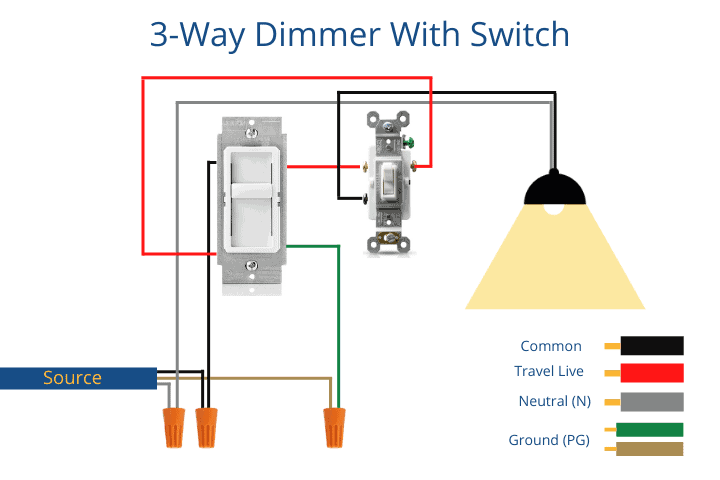
Lighting circuits are electrical systems that distribute power to various lighting fixtures within a space. These circuits are designed to provide a controlled and efficient flow of electricity, allowing for the seamless operation of multiple lights in different areas. The installation process involves connecting the lighting fixtures to the circuits, ensuring proper wiring, and integrating switches or dimmers for convenient control.
When installing lighting circuits, it is crucial to consider the layout and design of the space, as well as the specific lighting requirements. Each circuit should be carefully planned to accommodate the desired lighting fixtures, taking into account factors such as the type of lights, their wattage, and the overall electrical load. A well-designed lighting circuit ensures optimal performance, energy efficiency, and safety.
The Art of Planning Lighting Circuits
Planning is a crucial aspect of installing lighting circuits. Before embarking on the installation process, it is essential to create a detailed lighting plan. This plan should include the placement of lighting fixtures, the desired levels of illumination in different areas, and the overall aesthetic goals. Here are the key steps involved in planning lighting circuits:
1. Assess the Space: Begin by evaluating the space and identifying the areas that require lighting. Consider the functionality of each area, such as task lighting for workspaces or ambient lighting for relaxation areas. Take note of any architectural features, furniture, or artwork that should be highlighted.
2. Determine Lighting Types: Choose the appropriate lighting types for each area, such as recessed lights, pendant lights, or track lighting. Consider the intensity and color temperature of the lights to create the desired ambiance and mood.
3. Calculate Electrical Load: Determine the total wattage of the lighting fixtures to calculate the electrical load for each circuit. This ensures that the circuits can handle the required power without overloading.
4. Plan Circuit Layout: Divide the space into zones and determine the number of circuits needed. Assign lighting fixtures to each circuit, considering the electrical load and the proximity of fixtures to switches or dimmers.
5. Consider Control Options: Choose the appropriate control options for each circuit, such as traditional switches, dimmer switches, or smart lighting systems. Incorporate automation features for convenience and energy efficiency.
Planning lighting circuits requires a balance between aesthetics, functionality, and electrical safety. By carefully considering these factors, you can create a lighting system that enhances the space while ensuring efficient and safe operation.
Essential Steps for Installing Lighting Circuits
Once the planning stage is complete, it’s time to proceed with the installation of lighting circuits. Here are the essential steps involved:
1. Turn Off Power: Before starting any electrical work, ensure that the power is switched off at the main circuit breaker. This prevents any accidents or electrical shocks during the installation process.
2. Run Electrical Wiring: Install electrical wiring from the main electrical panel to the desired locations of the lighting fixtures. Use appropriate wiring methods, such as conduit or non-metallic sheathed cable, and adhere to local electrical codes.
3. Connect Fixtures to Circuits: Connect the lighting fixtures to the designated circuits using proper wiring techniques. Ensure that the wiring connections are secure and properly insulated to prevent any electrical hazards.
4. Install Switches and Dimmers: Install switches or dimmers at convenient locations to control the lighting circuits. Follow the manufacturer’s instructions for proper installation and wiring.
5. Test and Adjust: Once the installation is complete, carefully test each lighting circuit to ensure proper functionality. Make any necessary adjustments to the wiring or connections to achieve the desired lighting levels and control.
By following these steps and adhering to electrical safety guidelines, you can successfully install lighting circuits that provide optimal illumination and enhance the overall ambiance of the space.
The Benefits of Well-Designed Lighting Circuits
A well-designed lighting system offers numerous benefits, both in terms of aesthetics and functionality. Here are some key advantages:
1. Enhanced Ambiance: Properly installed lighting circuits create the desired ambiance and mood in a space. Whether it’s a warm and cozy atmosphere for a living room or bright and focused lighting for a workspace, the right lighting can transform the overall feel of a room.
2. Improved Functionality: Well-planned lighting circuits ensure adequate illumination in different areas, optimizing functionality and usability. Task lighting can enhance productivity, while accent lighting can highlight specific features or artwork.
3. Energy Efficiency: By utilizing efficient lighting fixtures and control options, such as dimmers or smart lighting systems, you can minimize energy consumption and reduce utility costs. LED lights, for example, are highly energy-efficient and have a longer lifespan.
4. Flexibility and Control: Lighting circuits allow for flexibility and control over the lighting levels in different areas. Dimmer switches or smart lighting systems enable easy adjustment of brightness, creating versatile lighting options for various activities and occasions.
5. Safety and Security: A well-lit space enhances safety and security by reducing the risk of accidents and deterring potential intruders. Properly installed lighting circuits ensure even illumination throughout the space, minimizing dark areas and shadows.
In conclusion, the art of installing lighting circuits involves careful planning, proper wiring, and attention to detail. By following the necessary steps and considering the specific lighting requirements, you can create a well-designed lighting system that enhances the ambiance, functionality, and energy efficiency of any space. So, whether you’re renovating your home or designing a commercial establishment, investing in the art of lighting installation can truly illuminate your spaces.
Key Takeaways: Illuminating Spaces – The Art of Installing Lighting Circuits
- Lighting circuits are essential for illuminating different spaces in our homes.
- Proper planning is crucial when installing lighting circuits to ensure the best lighting effects.
- Understanding electrical safety is important before working with lighting circuits.
- Choosing the right types of lighting fixtures can greatly enhance the ambiance of a room.
- Regular maintenance is necessary to keep lighting circuits in good working condition.
Frequently Asked Questions
1. What are the basic steps for installing lighting circuits?
Installing lighting circuits requires careful planning and execution. Here are the basic steps to follow:
First, determine the layout of your lighting fixtures and the location of the switches. This will help you decide where to run your electrical cables.
Next, turn off the power to the area where you will be working. Safety should always be a priority when working with electricity.
Then, run the electrical cables from the power source to each lighting fixture and switch. Use appropriate wiring methods and ensure that the cables are securely fastened.
After that, connect the cables to the fixtures and switches, following the manufacturer’s instructions. Double-check all connections to ensure they are secure.
Finally, test the circuit to make sure it is working properly. If everything is functioning as it should, you can proceed to install the fixtures and switches in their final positions.
2. What tools and materials do I need for installing lighting circuits?
Before you start installing lighting circuits, make sure you have the necessary tools and materials. Here’s a list of what you’ll need:
– Electrical cables: Choose the appropriate type and gauge for your project.
– Wire strippers: These will be used to remove the insulation from the ends of the electrical cables.
– Screwdrivers: You’ll need both flathead and Phillips-head screwdrivers for various tasks.
– Wire connectors: These are used to join wires together and create secure connections.
– Electrical tape: This is used to insulate and protect wire connections.
– Circuit tester: This tool is used to check if the circuit is live or not.
– Drill and bits: You may need to drill holes for cable routing or mounting fixtures.
– Ladders or scaffolding: Depending on the height of the installation, you may need a stable platform to work from.
– Safety equipment: Always wear safety glasses, gloves, and any other protective gear recommended for electrical work.
3. Can I install lighting circuits myself or should I hire a professional?
While it is possible to install lighting circuits yourself, it is important to consider your level of experience and knowledge in electrical work. If you are not confident in your abilities or if the project involves complex wiring, it is recommended to hire a professional electrician.
Professional electricians have the expertise and training to safely install lighting circuits and ensure they meet electrical codes and regulations. They can also provide valuable advice and recommendations based on your specific needs and preferences.
Attempting to install lighting circuits without the necessary knowledge and skills can be dangerous and may result in electrical hazards or damage to your property. It is always better to prioritize safety and seek professional help when needed.
4. How do I determine the appropriate wattage for my lighting fixtures?
Determining the appropriate wattage for your lighting fixtures depends on several factors, including the size of the room, the desired level of brightness, and the type of lighting you want to achieve.
As a general guideline, you can use the following formula to calculate the total wattage needed for a room: multiply the square footage of the room by 1.5. This will give you an estimate of the total wattage required to adequately light the space.
However, it is important to consider the specific requirements of each lighting fixture. Some fixtures may have a maximum wattage limit specified by the manufacturer. Make sure to check the specifications and recommendations provided with each fixture to ensure you do not exceed the maximum wattage.
5. How can I ensure the safety of my lighting circuit installation?
Safety should always be a top priority when installing lighting circuits. Here are some tips to ensure a safe installation:
– Turn off the power to the area where you will be working and test the circuit to make sure it is not live.
– Use appropriate wiring methods and materials to ensure proper insulation and protection against electrical hazards.
– Securely fasten all electrical cables and make sure they are not pinched or damaged during installation.
– Follow the manufacturer’s instructions for connecting the cables to the fixtures and switches.
– Double-check all connections to ensure they are secure and properly insulated.
– Test the circuit again after installation to make sure everything is functioning correctly.
If you are unsure about any aspect of the installation or if you encounter any difficulties, it is best to consult a professional electrician for assistance.
Recessed Lighting Install with No Attic or Prior Wiring
Final Summary: Mastering the Art of Illuminating Spaces
As we reach the end of our illuminating journey into the art of installing lighting circuits, we’ve discovered the power and beauty that well-designed lighting can bring to any space. From the warm glow that welcomes us home to the dramatic ambiance that sets the stage for special moments, lighting plays a crucial role in transforming environments.
Throughout this article, we’ve learned about the different types of lighting circuits, such as radial and ring circuits, and how they can be strategically installed to create the desired effect. We’ve explored the importance of safety measures, from properly sizing cables to correctly distributing loads, to ensure a reliable and secure lighting system. Additionally, we’ve delved into the world of dimmers, switches, and controls, understanding how they can enhance the functionality and versatility of our lighting setups.
By mastering the art of installing lighting circuits, we can unleash our creativity and bring spaces to life with light. Whether it’s a cozy living room, a vibrant kitchen, or a soothing bedroom, the right lighting can transform any space into a haven of comfort and style. So, let’s embrace the power of illumination and let our creativity shine through as we illuminate spaces and create unforgettable experiences.
Remember, when it comes to lighting circuits, knowledge is power. By understanding the principles and techniques we’ve explored, you can confidently embark on your own lighting projects, creating captivating environments that leave a lasting impression on all who enter. So, go forth and let your creativity flow, and let the art of illuminating spaces illuminate your world. Happy lighting!