Safety And Success: DIY Wiring Best Practices
When it comes to DIY projects, there’s a sense of pride and accomplishment that comes with doing it yourself. And one popular DIY project that many homeowners tackle is wiring. But before you grab your tools and start tinkering with your electrical system, it’s crucial to prioritize safety and success. In this article, we’ll explore the best practices for DIY wiring and how you can ensure a successful and safe electrical project in your home. So, let’s dive in!
When it comes to working with electricity, safety should always be the number one priority. DIY wiring projects can be rewarding, but they can also be hazardous if not done correctly. From preventing electrical shocks to avoiding potential fires, there are several safety measures you need to keep in mind. Don’t worry, though – we’ve got you covered! In this article, we will walk you through the best practices for DIY wiring, ensuring that your project is not only successful but also safe for you and your home. So, let’s get started on this electrifying journey!
Safety and Success: DIY Wiring Best Practices
When it comes to DIY wiring projects, prioritizing safety is crucial for achieving success. Follow these best practices to ensure a safe and efficient electrical installation:
- Plan and research: Before starting any wiring project, thoroughly research the electrical codes and regulations in your area. Plan the layout and determine the necessary materials.
- Turn off the power: Always turn off the power supply to the area where you’ll be working. Use a voltage tester to double-check that the circuit is completely de-energized.
- Use appropriate tools and materials: Invest in quality tools and materials that meet safety standards. This includes insulated wires, wire nuts, and proper protective gear.
- Proper grounding: Ensure that electrical equipment and outlets are properly grounded to prevent electrical shocks. Consult an electrician if you’re unsure.
- Secure connections: Make sure all wire connections are secure and tight. Use wire nuts or appropriate connectors and avoid loose or exposed wires.
- Label and organize: Properly label all switches, outlets, and electrical panels for easy identification. Keep wires organized and neatly arranged.
- Get assistance if needed: If you’re unsure about any aspect of your wiring project, don’t hesitate to seek assistance from a licensed electrician.
Following these DIY wiring best practices will help ensure your safety and success in completing electrical projects at home.

Safety and Success: DIY Wiring Best Practices
DIY electrical projects can be a rewarding and cost-effective way to improve your home. However, it’s essential to prioritize safety to ensure that your project is successful and doesn’t pose any hazards. In this article, we will explore the best practices for DIY wiring to help you achieve both safety and success in your electrical projects.
Understanding Electrical Safety
When working with electricity, safety should be your top priority. Before starting any DIY wiring project, it’s crucial to educate yourself on electrical safety practices. This includes understanding the basics of electrical systems, knowing how to identify electrical hazards, and being familiar with the necessary safety equipment.
Electrical Safety Basics
To ensure electrical safety, it’s important to understand the fundamentals of electrical systems. This includes knowing how electricity flows, how to read electrical diagrams, and how to properly use electrical tools and equipment. By having a solid foundation of knowledge, you can minimize the risk of accidents and ensure that your wiring projects are safe and reliable.
Identifying Electrical Hazards
Before starting any DIY wiring project, it’s crucial to identify potential electrical hazards in your home. This includes checking for outdated or damaged wiring, properly grounding electrical systems, and ensuring that circuits are not overloaded. By addressing these hazards, you can prevent electrical shocks, fires, and other dangerous situations.
Planning Your DIY Wiring Project
Proper planning is key to the success of any DIY wiring project. Before diving into the project, take the time to create a detailed plan that includes the following:
Evaluating Your Electrical Needs
Start by assessing your electrical needs and determining the scope of your project. Consider factors such as the number of outlets and switches you’ll need, the types of lighting fixtures you want to install, and any specific electrical requirements for appliances or equipment. This will help you create a comprehensive plan and ensure that your wiring project meets your needs.
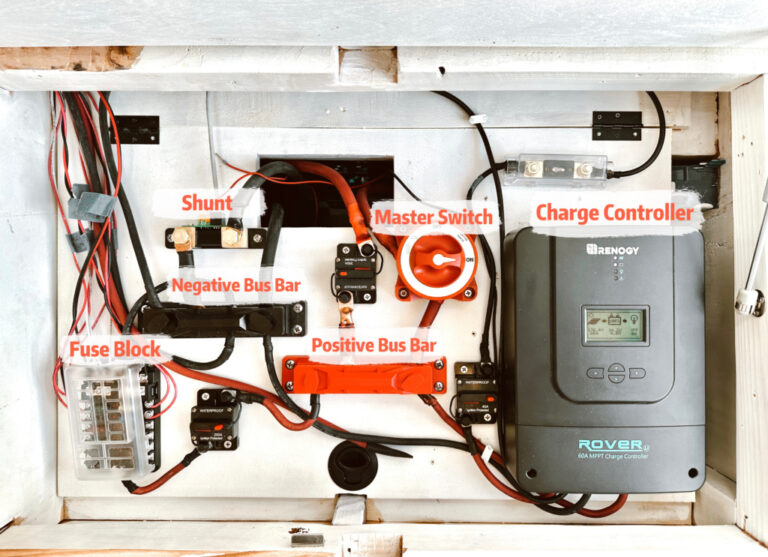
Creating a Wiring Diagram
A wiring diagram is a visual representation of your electrical system and the connections between various components. Creating a wiring diagram will help you stay organized and ensure that you make the right connections during the installation process. It can also be a useful reference for future maintenance or troubleshooting.
Gathering the Right Tools and Materials
To successfully complete your DIY wiring project, you’ll need the right tools and materials. Here are some essential items to have on hand:
Tools
– Screwdrivers (both flathead and Phillips)
– Wire cutters
– Wire strippers
– Pliers
– Voltage tester
– Fish tape or wire puller
– Electrical tape
– Stepladder or platform
Materials
– Electrical wires
– Electrical boxes
– Outlets and switches
– Lighting fixtures
– Junction boxes
– Wire connectors
– Cable clips or staples
– Circuit breakers or fuses
Following Best Practices During Installation
During the installation process, it’s crucial to follow best practices to ensure that your wiring is safe and reliable. Here are some key guidelines to keep in mind:
Turn Off the Power
Before starting any electrical work, always turn off the power to the circuit you’ll be working on. This can be done by switching off the corresponding circuit breaker in your electrical panel. Use a voltage tester to double-check that the power is off before proceeding.
Properly Secure Wires
When running wires, make sure to secure them properly using cable clips or staples. This will prevent the wires from being damaged or accidentally pulled out of place. Additionally, keep wires away from sharp objects or areas where they may be exposed to moisture or heat.
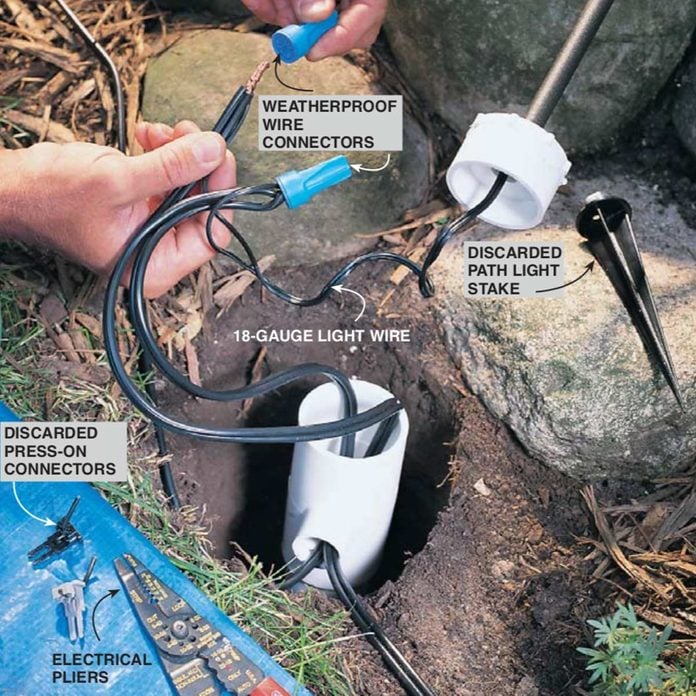
Use Wire Connectors
When making connections, always use the appropriate wire connectors. These connectors ensure a secure and reliable connection between wires and terminals. Avoid using electrical tape as the sole method of connecting wires, as it may not provide a long-lasting and safe connection.
Test Connections and Grounding
After making connections, use a voltage tester to check for proper continuity and grounding. This will help ensure that your wiring is functioning correctly and that there are no faulty connections or grounding issues.
Maintaining and Troubleshooting Your Wiring
Once your DIY wiring project is complete, it’s important to regularly maintain and troubleshoot your electrical system. This includes periodic inspections, testing outlets and switches, and addressing any issues promptly. Here are some tips for maintaining and troubleshooting your wiring:
Regular Inspections
Perform regular inspections of your electrical system to check for any signs of wear, damage, or potential hazards. This includes checking outlets and switches for loose connections, inspecting wires for fraying or exposed conductors, and ensuring that circuit breakers or fuses are functioning correctly.
Testing Outlets and Switches
Periodically test outlets and switches to ensure they are working properly. Use a voltage tester to check for the presence of power and ensure that the switches and outlets are functioning as intended. If you notice any issues, such as flickering lights or non-responsive outlets, address them promptly to prevent further problems.
Addressing Issues Promptly
If you encounter any electrical issues, such as frequent tripping of circuit breakers, dimming lights, or persistent electrical shocks, it’s important to address them promptly. These issues may indicate underlying problems with your wiring that require professional attention. Ignoring them can lead to safety hazards and potentially more extensive damage.
Conclusion
By following these best practices for DIY wiring, you can ensure both safety and success in your electrical projects. Remember to prioritize safety, plan your project thoroughly, gather the right tools and materials, and follow best practices during installation. Additionally, make sure to regularly maintain and troubleshoot your wiring to address any issues promptly. With proper care and attention, you can confidently tackle DIY wiring projects and enjoy the benefits they bring to your home.
Key Takeaways: Safety and Success – DIY Wiring Best Practices
- Always turn off the power before starting any wiring project.
- Ensure you have the right tools and materials for the job.
- Follow proper safety precautions, such as wearing protective gear.
- Double-check your work to avoid any mistakes or hazards.
- If you’re unsure or uncomfortable, it’s best to hire a professional electrician.
Frequently Asked Questions
Question 1: What are the essential safety precautions to take when doing DIY wiring?
When it comes to DIY wiring, safety should always be your top priority. Here are some essential precautions to follow:
Firstly, ensure that the power is turned off before starting any work. This can be done by switching off the circuit breaker or removing the fuse. Additionally, use a voltage tester to double-check that there is no electricity present in the area you will be working in.
Secondly, make sure to wear appropriate safety gear such as insulated gloves, safety glasses, and non-slip footwear. These will protect you from potential electrical shocks and other hazards.
Question 2: How can I ensure the success of my DIY wiring project?
To ensure the success of your DIY wiring project, here are a few best practices to follow:
Firstly, plan your project thoroughly before starting. This includes creating a wiring diagram and determining the materials and tools you will need. Having a clear plan in place will help you avoid mistakes and save time.
Secondly, educate yourself about the specific wiring techniques and codes relevant to your project. This knowledge will enable you to carry out the wiring correctly and in compliance with safety standards.
Question 3: What are some common mistakes to avoid when doing DIY wiring?
When undertaking DIY wiring, it’s important to be aware of common mistakes and avoid them. Some key mistakes to steer clear of include:
One common mistake is using the wrong gauge of wire for the intended purpose. It’s crucial to choose the appropriate wire size based on the electrical load it will be handling. Using an incorrect gauge can lead to overheating and potential fire hazards.
Another mistake to avoid is improper wire stripping. Ensure that you strip the wires to the appropriate length and remove only the necessary amount of insulation. Leaving too much or too little exposed wire can result in poor connections and electrical issues.
Question 4: Are there any safety measures specific to working with electrical panels?
Working with electrical panels requires additional safety measures to minimize risks. Here are a few important precautions to take:
Firstly, always turn off the main breaker before accessing the electrical panel. This will ensure that power is completely cut off and prevent potential electrical shocks.
Secondly, never overload the electrical panel by adding too many circuits. This can lead to overheating and electrical failures. If you need to add more circuits, consider consulting a professional electrician to assess the panel’s capacity.
Question 5: What should I do if I encounter any issues or feel unsure during my DIY wiring project?
If you encounter any issues or feel unsure during your DIY wiring project, it’s important to prioritize safety and seek professional help if needed. Here are some steps to follow:
Firstly, if you encounter any electrical problems or notice sparks, immediately turn off the power and consult a licensed electrician. It’s better to be safe than risk potential hazards.
Secondly, if you feel unsure about any aspect of the wiring process, don’t hesitate to reach out to an expert for guidance. They can provide valuable advice and ensure that the wiring is done correctly and safely.
7 FATAL Wiring Mistakes Most DIYers Don’t Know They Are Making | Most Are Guilty of 3
Final Thoughts: Mastering DIY Wiring for Safety and Success
As we wrap up our discussion on DIY wiring best practices, it’s important to emphasize the significance of prioritizing safety and success. When it comes to electrical work, taking shortcuts or neglecting proper procedures can lead to hazardous situations and costly mistakes. By following the guidelines we’ve discussed throughout this article, you can ensure a smooth and secure wiring project that will bring you peace of mind and the desired outcomes.
Remember, safety should always be your top priority. Taking the time to educate yourself on electrical safety, using appropriate tools and materials, and conducting thorough inspections can prevent accidents and protect both you and your property. Additionally, investing in the right equipment and seeking professional help when needed can greatly increase your chances of success and save you from potential headaches down the road.
So, whether you’re tackling a simple wiring project or embarking on a more complex endeavor, always approach it with caution and confidence. By adhering to the best practices we’ve explored, you’ll be well-equipped to handle DIY wiring projects with safety, success, and peace of mind.