Safety Switch: The Role Of Circuit Breakers In Electrical Safety
When it comes to electrical safety, there’s one unsung hero that plays a crucial role in protecting our homes and workplaces: the circuit breaker. You might not give it much thought, but this small device acts as a safety switch, tirelessly monitoring the flow of electricity and stepping in to prevent dangerous situations. In this article, we’ll delve into the important role of circuit breakers in electrical safety and why they are essential for every building. So, let’s flip the switch and shed some light on this fascinating topic!
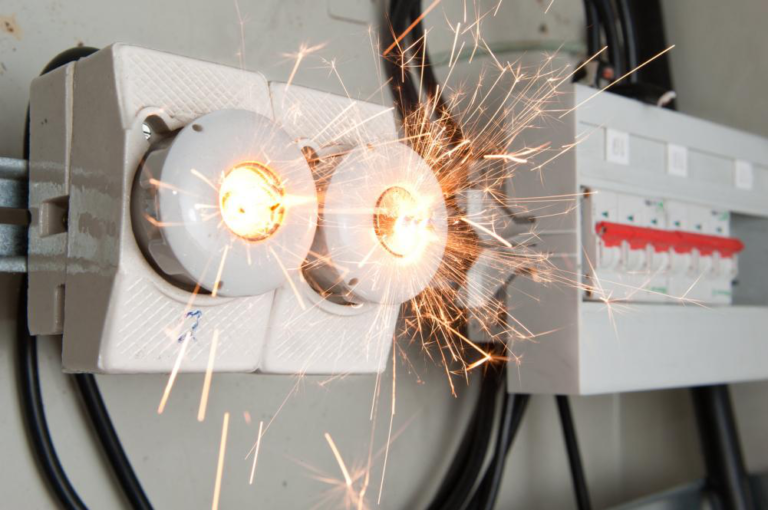
Have you ever wondered how circuit breakers keep us safe from electrical mishaps? Well, imagine this: you’re using multiple appliances simultaneously, and suddenly, there’s a surge in electricity. Without a circuit breaker, this surge could lead to overheating, fires, or even electrical shocks. But fear not, for the circuit breaker is here to save the day! Acting as a vigilant watchdog, it detects abnormal fluctuations in electrical current and swiftly interrupts the flow to prevent any potential hazards. It’s like having a superhero in your electrical system, ready to spring into action at a moment’s notice.
With their ability to prevent electrical accidents, circuit breakers are an indispensable part of our daily lives. From homes to offices, schools to hospitals, these silent guardians ensure that electricity flows smoothly and safely. So, let’s dive deeper into the inner workings of circuit breakers and explore how they keep us protected in our electrified world. Get ready to embark on an electrifying journey through the world of circuit breakers and discover the fascinating role they play in safeguarding our lives.
A safety switch, also known as a circuit breaker, plays a crucial role in electrical safety. It is designed to protect electrical circuits and prevent electrical hazards such as fires and electric shocks. When an electrical fault occurs, the circuit breaker automatically trips, cutting off the power supply to the affected circuit. This helps to isolate the fault and prevent further damage. Circuit breakers are an essential component of electrical systems, providing an added layer of protection for homes and buildings.

Safety Switch: The Role of Circuit Breakers in Electrical Safety
Circuit breakers play a vital role in ensuring electrical safety in our homes and workplaces. These devices act as a safety switch, designed to protect electrical circuits from overloading and short circuits. By automatically interrupting the flow of electricity when an abnormality is detected, circuit breakers prevent electrical fires, electrocution, and other hazards. Understanding the importance and functionality of circuit breakers is essential for anyone working with or using electrical systems.
What Are Circuit Breakers?
Circuit breakers are electrical switches that automatically stop the flow of electricity in a circuit when it exceeds a predetermined threshold. They are designed to protect electrical systems and devices from damage caused by excessive current or short circuits. Circuit breakers consist of a switch mechanism and a tripping mechanism. When the current exceeds the circuit breaker’s rating, the tripping mechanism is activated, causing the switch to open and interrupt the flow of electricity.
Circuit breakers are typically installed in electrical distribution boards or panels, where they protect individual circuits or groups of circuits. They are an essential component of the electrical infrastructure, acting as a first line of defense against electrical overloads and faults. Unlike fuses, which need to be replaced after they blow, circuit breakers can be reset after they trip, restoring power to the circuit once the issue is resolved.
Types of Circuit Breakers
There are several types of circuit breakers, each designed for specific applications and electrical systems. Here are some common types:
1. Miniature Circuit Breakers (MCBs): MCBs are commonly used in residential and commercial buildings. They provide protection for individual circuits and can be quickly reset after tripping.
2. Residual Current Circuit Breakers (RCCBs): RCCBs are designed to protect against electrical shocks and ground faults. They monitor the balance between the current flowing in the live and neutral wires and trip when an imbalance is detected.
3. Molded Case Circuit Breakers (MCCBs): MCCBs are used for higher current applications, such as industrial and commercial settings. They provide protection for larger circuits and equipment.
4. Ground Fault Circuit Interrupters (GFCIs): GFCIs are commonly used in areas where water is present, such as bathrooms and kitchens. They detect ground faults and quickly interrupt the circuit to prevent electrical shocks.
The Importance of Circuit Breakers in Electrical Safety
Circuit breakers play a crucial role in maintaining electrical safety in our daily lives. Here are some key reasons why circuit breakers are essential:
1. Fire Prevention: Circuit breakers prevent electrical fires by interrupting the flow of electricity when an overload or short circuit occurs. By cutting off the power supply, they prevent excessive heat buildup that could ignite surrounding materials.
2. Protection Against Electrocution: Circuit breakers provide protection against electrical shocks by quickly shutting off the power in the event of a fault. This helps prevent severe injuries or even fatalities caused by electric shock.
3. Equipment Protection: Circuit breakers safeguard electrical equipment and appliances from damage. They prevent excessive current from flowing through sensitive components, extending the lifespan of devices and reducing the risk of costly repairs or replacements.
4. Convenience and Efficiency: Circuit breakers allow for easy troubleshooting and maintenance of electrical systems. When a circuit trips, it indicates a problem that needs to be resolved before power can be restored. This helps identify and address potential issues in a timely manner.
In summary, circuit breakers are critical components of electrical safety. They protect against overloads, short circuits, and electrical faults, preventing fires, injuries, and damage to equipment. Understanding the role and importance of circuit breakers can empower individuals to prioritize electrical safety in their homes and workplaces.
Key Takeaways: Safety Switch – The Role of Circuit Breakers in Electrical Safety
- Circuit breakers are essential for electrical safety as they protect against overloads and short circuits.
- They act as a safety switch, automatically shutting off the flow of electricity when a fault is detected.
- This helps prevent electrical fires and electrocution, keeping people and property safe.
- Circuit breakers are designed to be resettable, allowing power to be restored after the fault is resolved.
- Regular maintenance and testing of circuit breakers is important to ensure their effectiveness in protecting against electrical hazards.
Frequently Asked Questions
What is the purpose of a safety switch in electrical systems?
A safety switch, also known as a circuit breaker, plays a crucial role in electrical safety. Its primary purpose is to protect the electrical system and its users from potential hazards such as electrical shocks and fires. When a fault occurs, such as a short circuit or an overload, the safety switch detects the abnormal current flow and immediately interrupts the circuit, cutting off the power supply to prevent further damage or danger.
By quickly disconnecting the faulty circuit, the safety switch helps minimize the risk of electrocution and reduces the likelihood of electrical fires. It acts as a crucial barrier between the electrical power source and the electrical equipment, ensuring that any faults are swiftly addressed to maintain a safe environment.
How does a safety switch work?
A safety switch operates based on the principle of detecting any abnormal electrical current flow. It constantly monitors the current flowing through the circuit it protects. When the current exceeds a predetermined threshold or deviates from the expected flow pattern, the safety switch quickly interrupts the circuit, cutting off the power supply.
This interruption is achieved through the use of an electromechanical mechanism within the safety switch. When a fault is detected, the switch’s internal mechanism trips, physically separating the contacts and breaking the circuit. This action stops the flow of electricity and prevents any potential hazards from escalating.
Are safety switches mandatory in electrical installations?
The requirement for safety switches varies depending on the jurisdiction and the type of electrical installation. However, in many countries, safety switches are mandatory for certain applications. For example, in residential properties, safety switches are typically required to protect power outlets, lighting circuits, and other circuits that supply power to areas where people live or work.
Even in cases where safety switches are not mandated by law, it is highly recommended to install them for enhanced electrical safety. They provide an additional layer of protection against electrical faults and greatly reduce the risk of electrical accidents.
Can a safety switch prevent electrical shocks?
Yes, a safety switch can indeed prevent electrical shocks. When a person comes into contact with an electrical current, such as by touching a live wire or a faulty electrical device, the safety switch detects the abnormal current flow caused by the human body completing the circuit. It quickly interrupts the circuit, cutting off the power supply and preventing the person from receiving a potentially harmful electric shock.
However, it is important to note that safety switches are not foolproof and should not be solely relied upon for personal safety. Other safety measures such as proper insulation, grounding, and safe electrical practices should also be followed to minimize the risk of electric shocks.
How often should safety switches be tested?
Safety switches should be regularly tested to ensure their proper functioning. It is recommended to test them at least once every three months. Testing involves pressing the test button on the safety switch, which simulates a fault condition and should cause the switch to trip, cutting off the power supply. If the safety switch fails to trip or does not restore power after being reset, it may indicate a fault and require professional inspection or replacement.
Additionally, safety switches should be tested by a licensed electrician at least every two years to ensure their ongoing reliability and compliance with safety standards. Regular testing and maintenance of safety switches help to ensure their effectiveness in protecting against electrical hazards.
Final Thought: The Crucial Role of Circuit Breakers in Ensuring Electrical Safety
As we wrap up our exploration of the vital role of circuit breakers in electrical safety, it’s clear that these devices are the unsung heroes of our electrical systems. They tirelessly monitor and protect our homes and businesses from potential hazards, ensuring our safety and peace of mind.
In today’s fast-paced world, where electrical devices are an integral part of our daily lives, circuit breakers act as the first line of defense against electrical overloads, short circuits, and other dangerous electrical faults. They provide an essential function by swiftly interrupting the flow of electricity when a fault occurs, preventing fires, electrocution, and damage to our valuable appliances and equipment.
By understanding the importance of circuit breakers and regularly maintaining them, we can create a safer environment for ourselves and our loved ones. Remember to test your circuit breakers periodically, be mindful of their load capacities, and never overload your electrical circuits. With these precautions in place, you can rest assured that your electrical system is well-equipped to handle any potential risks, keeping you safe and secure.
So, the next time you flick a switch or plug in a device, take a moment to appreciate the unsung hero behind the scenes—the circuit breaker. Its silent vigilance and quick response make it an essential component of electrical safety, ensuring that we can enjoy the benefits of electricity without compromising our well-being.
In conclusion, circuit breakers are not just simple switches; they are guardians of our electrical safety. Let’s embrace their importance, educate ourselves about their proper usage, and spread awareness of their critical role in protecting ourselves and our communities. Together, we can create a safer and more secure electrical environment for everyone. Stay safe, stay powered!