
How Disruptive Is Rewiring A House?
If you’ve ever wondered how disruptive it is to rewire a house, you’re in the right place! Rewiring a house can be a daunting task, but it’s an essential one for maintaining the safety and functionality of your electrical system. In this article, we’ll dive into the world of house rewiring and explore just how disruptive it can be. So, grab a cup of coffee and get ready to learn all about the ins and outs of rewiring your home!
When it comes to rewiring a house, there’s no denying that it can cause some disruption to your daily routine. After all, electrical wiring is like the nervous system of your home, and making changes to it requires careful planning and execution. However, the level of disruption can vary depending on the size of your house, the complexity of the wiring, and the approach taken by the electrician. So, let’s take a closer look at what you can expect when rewiring your house and how to minimize the disruption along the way. Get ready to embark on a journey to a safer and more efficient home!

How Disruptive is Rewiring a House?
When it comes to rewiring a house, many homeowners are concerned about the level of disruption it may cause. Rewiring involves replacing the electrical wiring throughout the entire house, which can be a complex and time-consuming process. However, with the right planning and preparation, the disruption can be minimized. In this article, we will explore the factors that contribute to the level of disruption during a rewiring project and provide tips on how to manage it effectively.
Understanding the Scope of the Project
Rewiring a house is a significant undertaking that involves several steps. Firstly, an assessment of the existing electrical system needs to be conducted to identify any outdated or faulty wiring. This will determine the extent of the rewiring required. Depending on the size of the house and the complexity of the electrical system, the project may take several weeks to complete. During this time, certain areas of the house may need to be inaccessible, which can cause some inconvenience to the occupants.
Additionally, rewiring typically involves opening up walls and ceilings to access the wiring, which can result in dust and debris. This may require homeowners to temporarily relocate or cover furniture and belongings to protect them from damage. While these aspects of rewiring can be disruptive, the end result is a safer and more efficient electrical system that meets current building codes.
Minimizing Disruption During the Rewiring Process
Although rewiring a house can be disruptive, there are steps that can be taken to minimize the impact on daily life. Here are some strategies to consider:
- Create a Detailed Plan: Before starting the rewiring project, it is essential to create a detailed plan that outlines the timeline, areas of the house that will be affected, and any necessary accommodations. This will help manage expectations and ensure that everyone involved is prepared for the disruption.
- Communicate with Contractors: Clear and open communication with the electrical contractors is crucial. Discuss your concerns and specific requirements, such as access to certain areas of the house or the need for temporary electrical supply during the project. This will help the contractors understand your needs and work accordingly.
- Prepare the Space: Prior to the start of the rewiring project, remove any valuable or fragile items from the areas that will be affected. Cover furniture and belongings to protect them from dust and debris. Consider setting up a temporary living space in another part of the house or making arrangements to stay elsewhere during the most disruptive phases of the project.
- Follow Safety Guidelines: It is important to prioritize safety during the rewiring process. Ensure that contractors follow all safety guidelines and protocols to minimize the risk of accidents or damages. This includes proper labeling of electrical panels, using appropriate protective gear, and adhering to local building codes.
By following these strategies, homeowners can effectively manage the disruption caused by rewiring a house and ensure a smooth and successful project.
The Benefits of Rewiring a House
While the disruption caused by rewiring a house can be a temporary inconvenience, it is important to consider the long-term benefits that come with it. Here are some key advantages of rewiring:
- Enhanced Safety: Outdated or faulty wiring can pose serious safety hazards, including the risk of electrical fires. Rewiring ensures that the electrical system meets current safety standards, reducing the risk of accidents and providing peace of mind.
- Improved Energy Efficiency: Older electrical systems may be inefficient, resulting in higher energy bills. Rewiring allows for the installation of energy-efficient wiring and fixtures, which can significantly reduce energy consumption and save money in the long run.
- Expanded Capacity: If you are planning to add new appliances or upgrade your electrical system, rewiring provides an opportunity to increase the capacity and accommodate the additional load. This is especially important in older homes that may have outdated electrical systems.
Overall, while rewiring a house can be disruptive, the benefits outweigh the temporary inconvenience. It is a worthwhile investment that ensures the safety, efficiency, and functionality of the electrical system for years to come.
Additional Considerations for Rewiring a House
Costs and Budgeting
Rewiring a house can be a significant financial investment. The cost of the project will depend on various factors, including the size of the house, the complexity of the electrical system, and any additional upgrades or modifications required. It is important to budget accordingly and obtain multiple quotes from reputable electrical contractors to ensure you get the best value for your money.
Permits and Regulations
Before starting a rewiring project, it is important to check local regulations and obtain any necessary permits. Electrical work must comply with building codes to ensure safety and adherence to standards. Hiring a licensed and experienced electrical contractor will help ensure that all necessary permits and regulations are followed.
Choosing the Right Electrical Contractor
When it comes to rewiring a house, it is crucial to hire a qualified and experienced electrical contractor. Look for contractors who are licensed, insured, and have a good reputation in the industry. Ask for references and read reviews to ensure you choose a contractor who will complete the project to your satisfaction.
Planning for Future Needs
When rewiring a house, it is an excellent opportunity to plan for future electrical needs. Consider factors such as the increasing demand for electrical outlets, the potential for smart home technology integration, and any plans for home renovations or expansions. Discuss these considerations with your electrical contractor to ensure the wiring is designed to accommodate your future needs.
Conclusion
While rewiring a house can be disruptive, it is a necessary process to ensure the safety, efficiency, and functionality of the electrical system. By understanding the scope of the project, effectively managing the disruption, and considering the long-term benefits, homeowners can make informed decisions when it comes to rewiring their homes. With careful planning and the help of a qualified electrical contractor, the disruption can be minimized, and the end result will be a safer and more reliable electrical system.
Key Takeaways: How Disruptive is Rewiring a House?
- Rewiring a house can be quite disruptive, as it involves accessing and replacing electrical wiring throughout the entire property.
- During the rewiring process, you may experience power outages and have limited access to certain areas of your home.
- Furniture and belongings may need to be temporarily moved or stored to allow for easy access to walls and electrical systems.
- Noise and dust are common during rewiring, so it’s important to prepare for some inconvenience and mess.
- However, the end result is a safer and more efficient electrical system, providing peace of mind and potentially increasing the value of your home.
Frequently Asked Questions
Question 1: How does rewiring a house impact daily life?
When rewiring a house, it is important to understand that there will be some disruption to your daily life. The extent of the disruption will depend on the size of your house and the scope of the rewiring project. In general, rewiring involves accessing the electrical wiring throughout the house, which may require removing walls, ceilings, or floors. This can result in dust, noise, and temporary inconveniences such as the need to temporarily relocate furniture or appliances.
However, professional electricians will work efficiently to minimize disruptions as much as possible. They will coordinate with you to schedule the rewiring project at a time that is most convenient for you and your family. With proper planning and communication, the impact on your daily life can be kept to a minimum.
Question 2: Will rewiring a house disrupt the electrical supply?
During the rewiring process, the electrical supply to your house will need to be temporarily shut off. This is necessary to ensure the safety of both the electricians and the occupants of the house. However, professional electricians will coordinate with you to schedule the electrical shut-off at a time that is least disruptive to your daily activities.
While the electrical supply is shut off, you may experience a temporary interruption in power. It is advisable to plan ahead and make necessary arrangements for activities that require electricity, such as cooking or using electronic devices. Once the rewiring is complete and the electrical supply is restored, you can enjoy the benefits of a safer and more efficient electrical system in your house.
Question 3: How long does it take to rewire a house?
The duration of a house rewiring project can vary depending on several factors, including the size of the house, the complexity of the existing electrical system, and the extent of the rewiring required. On average, rewiring a house can take anywhere from a few days to a few weeks.
It is important to note that rewiring is a meticulous process that requires careful planning and execution. Electricians will need to assess the existing wiring, remove old wiring, install new wiring, and ensure that everything is up to code. While it may take some time, the end result will be a safe and reliable electrical system for your house.
Question 4: Can I stay in my house during the rewiring process?
In most cases, it is possible to stay in your house during the rewiring process. However, there may be certain times when it is necessary to temporarily relocate to ensure safety and minimize disruptions. This is especially true if extensive work is being done in a specific area of the house, such as the kitchen or bathroom.
Professional electricians will work closely with you to develop a plan that allows you to stay in your house as much as possible while the rewiring is underway. They will communicate any necessary temporary relocations in advance and make arrangements to ensure your comfort and convenience throughout the process.
Question 5: How can I minimize the disruption caused by rewiring?
While rewiring a house may cause some disruption, there are steps you can take to minimize its impact. Here are a few tips:
1. Plan ahead: Coordinate with the electricians to schedule the rewiring project at a time that is least disruptive to your daily activities.
2. Communicate: Maintain open and regular communication with the electricians to ensure that everyone is on the same page regarding the timeline and any necessary temporary relocations.
3. Prepare your house: Clear the area where the electricians will be working to facilitate their access. Remove furniture, appliances, and any other items that may obstruct their work.
4. Make alternative arrangements: If necessary, make temporary arrangements for activities that require electricity, such as cooking or using electronic devices, during the rewiring process.
By following these tips and working closely with professional electricians, you can help minimize the disruption caused by rewiring and ensure a smoother process.
Final Summary: Rewiring a House Doesn’t Have to Be a Nightmare
After exploring the topic of how disruptive rewiring a house can be, it is clear that while the process may pose some challenges, it doesn’t have to be a complete nightmare. Rewiring a house is an essential task that ensures the safety and functionality of the electrical system. While it does require some planning, time, and investment, the end result is a safer and more efficient home.
One of the main concerns when it comes to rewiring a house is the disruption it may cause to daily life. However, with proper planning and communication with an experienced electrician, the impact can be minimized. Temporary power solutions can be put in place to ensure that you can still carry on with your daily activities while the rewiring is taking place. Additionally, scheduling the work during a time when you have fewer commitments or when you can temporarily relocate can help reduce the inconvenience.
Another aspect to consider is the cost of rewiring a house. While it is true that rewiring can be a significant investment, it is important to view it as a long-term investment in the safety and value of your home. By choosing a reputable electrician and obtaining multiple quotes, you can ensure that you are getting a fair price for the work. It is also worth exploring any potential financial assistance or incentives that may be available to help offset the cost.
In conclusion, while rewiring a house may involve some disruption and cost, it is a necessary task that can greatly enhance the safety and functionality of your home. By properly planning the project, communicating with professionals, and considering the long-term benefits, you can ensure a smoother process. Don’t let the fear of disruption deter you from taking care of your home’s electrical system. Remember, the end result will be a safer and more efficient living space for you and your family.
Similar Posts

How Much Does Rewiring A House Cost?
Thinking about rewiring your house and wondering how much it will cost? Well, you’ve come to the right place! Rewiring a house is a significant project that requires careful planning and consideration. From outdated wiring systems to potential hazards, there…

DIY Wiring Essentials: Tools And Materials You Need To Know
If you’re a DIY enthusiast looking to tackle some electrical projects around the house, understanding the essentials of wiring is crucial. From small repairs to larger installations, having the right tools and materials at your disposal can make all the…
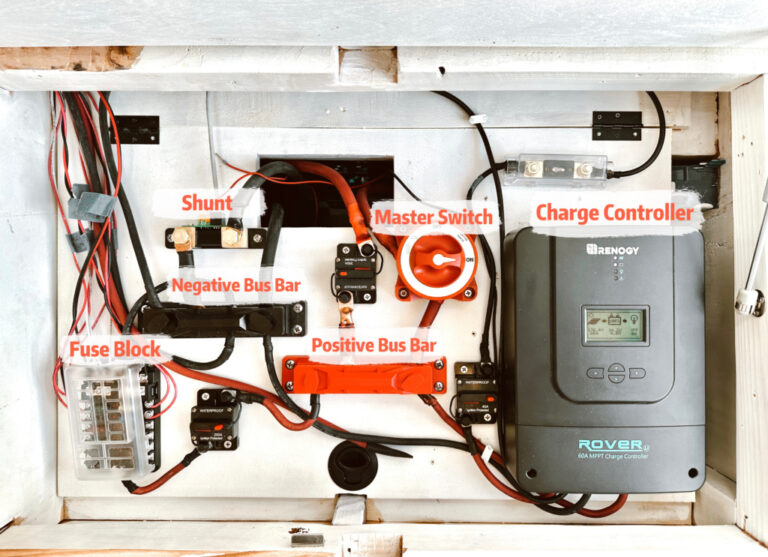
Wiring Up Your World: Creative DIY Electrical Solutions
Welcome to the world of electrical solutions, where creativity meets practicality! In this article, we’ll dive into the fascinating realm of DIY electrical projects and explore some innovative ways to wire up your world. Whether you’re a seasoned DIY enthusiast…
DIY Wiring 101: A Practical Handbook For Homeowners
Welcome to DIY Wiring 101: A Practical Handbook for Homeowners! If you’ve ever found yourself staring at a jumble of wires and feeling completely lost, fret not! This comprehensive guide is here to demystify the world of electrical wiring and…
DIY Wiring For Sustainability: Energy-Efficient Solutions
Looking to make your home more energy-efficient and sustainable? DIY wiring for sustainability is the perfect solution! By implementing energy-efficient solutions in your electrical system, you can reduce your carbon footprint and save money on your energy bills. In this…

Smart Home, Smart Wiring: DIY Integration For Automation
Welcome to the world of smart homes, where convenience and automation meet DIY ingenuity. In this article, we’ll delve into the exciting realm of smart wiring and how you can integrate it into your home for seamless automation. So, put…