Smart Home, Smart Wiring: DIY Integration For Automation
Welcome to the world of smart homes, where convenience and automation meet DIY ingenuity. In this article, we’ll delve into the exciting realm of smart wiring and how you can integrate it into your home for seamless automation. So, put on your toolbelt and get ready to transform your humble abode into a cutting-edge, intelligent sanctuary.
Imagine a home where you can control the lights with a simple voice command, adjust the thermostat from your smartphone, and even have your coffee brewing as soon as you step through the front door. With smart home technology, this is no longer a fantasy but a reality that can be achieved through DIY integration. By harnessing the power of smart wiring, you can create a personalized and interconnected ecosystem that caters to your every need.
But where do you start? Don’t worry, we’ve got you covered. In this article, we’ll guide you through the process of setting up your own smart home, from choosing the right devices to wiring them together for seamless automation. So, grab your toolbox and get ready to embark on a journey towards a smarter, more connected future. Let’s dive in!
Looking to automate your home? With smart wiring, you can easily integrate all your devices and create a seamless automation system. No need to hire professionals – you can do it yourself! Start by mapping out your home’s wiring system and identifying the devices you want to automate. Then, install smart switches and outlets that can be controlled remotely. Connect these devices to a central hub, such as a smart home assistant, and use a mobile app to control and customize your automation settings. With DIY integration, you’ll have a smart home that’s convenient and efficient.
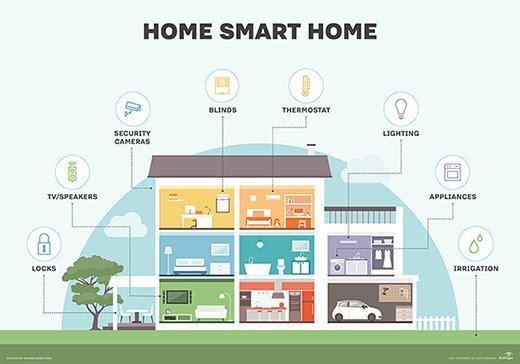
Smart Home, Smart Wiring: DIY Integration for Automation
The Benefits of Smart Home Automation
Smart home automation is revolutionizing the way we live, offering a wide range of benefits that make our lives easier, more convenient, and more efficient. With smart home technology, you can control and automate various aspects of your home, such as lighting, security systems, temperature, and entertainment devices, all from the convenience of your smartphone or voice-controlled assistant.
One of the key advantages of smart home automation is the ability to enhance energy efficiency. With smart lighting and thermostats, you can optimize energy usage by automatically adjusting settings based on occupancy and natural light levels. This not only reduces your carbon footprint but also lowers your utility bills. Additionally, smart home automation enhances security, allowing you to monitor and control your home’s security systems remotely, providing peace of mind whether you’re at work or on vacation.
DIY Integration for Smart Home Automation
When it comes to smart home automation, many homeowners opt for the do-it-yourself (DIY) approach. DIY integration allows you to customize your smart home setup according to your specific needs and preferences, without the need for professional installation. This gives you the flexibility to choose the devices and systems that best fit your lifestyle and budget.
DIY smart home integration often begins with the installation of a central hub or controller, which acts as the brain of your smart home system. This hub connects all your smart devices and allows you to control them from a single app or interface. From there, you can add individual devices, such as smart thermostats, smart locks, smart lighting, and smart entertainment systems, depending on your desired level of automation.
The Role of Smart Wiring in DIY Integration
In order to seamlessly integrate smart devices into your home, smart wiring plays a crucial role. Smart wiring refers to the installation of structured cabling that allows for the efficient and organized connection of various devices and systems throughout your home. This involves running Ethernet cables, coaxial cables, and HDMI cables to designated locations, ensuring reliable and high-speed connectivity.
Smart wiring enables you to create a network infrastructure that supports the communication and integration of all your smart devices. By strategically placing wired connections in key areas, such as living rooms, bedrooms, and home offices, you can ensure a stable and robust network for your smart home system. This eliminates issues with weak Wi-Fi signals and ensures consistent connectivity for all your devices.
The DIY Advantage: Flexibility and Cost Savings
One of the main advantages of DIY integration for smart home automation is the flexibility it offers. With professional installations, you may be limited to specific devices or brands that are compatible with the installer’s system. However, with DIY integration, you have the freedom to choose from a wide range of devices and brands, allowing you to create a customized smart home setup that suits your preferences.
Furthermore, DIY integration can result in significant cost savings compared to professional installations. While hiring a professional may ensure a seamless setup, it can also come with a hefty price tag. By taking the DIY route, you can save on installation costs and have more control over your budget. Additionally, as technology advances and new devices are released, you can easily upgrade or add new components to your system without relying on external assistance.
Smart Home Automation Tips for DIY Integration
When embarking on a DIY integration project for smart home automation, there are a few tips to keep in mind to ensure a smooth and successful setup:
- Research and plan: Before diving into DIY integration, thoroughly research the devices and systems you wish to incorporate into your smart home. Create a detailed plan that outlines the necessary components, wiring requirements, and any additional tools or accessories you may need.
- Ensure compatibility: Check the compatibility of your chosen devices and systems to ensure they can seamlessly work together. Look for devices that support common smart home protocols, such as Zigbee or Z-Wave, to ensure smooth integration.
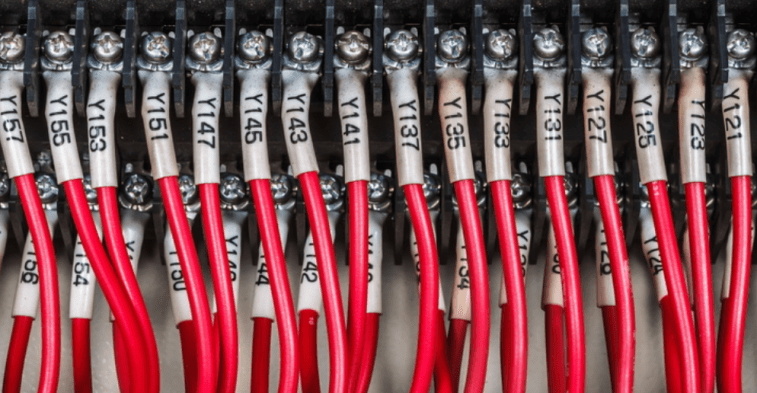
- Label and organize: As you install and connect devices, label all cables and connections to avoid confusion later on. Keep track of the locations and functions of each device to simplify troubleshooting and maintenance.
- Test and troubleshoot: After completing the installation, thoroughly test each device and system to ensure they are functioning correctly. Troubleshoot any issues that arise promptly to avoid future complications.
- Stay updated: As technology evolves, keep an eye out for firmware updates and new features for your smart devices. Regularly update your devices to take advantage of the latest advancements and improvements.
Conclusion
Smart home automation offers numerous benefits, and with the DIY integration approach, you have the freedom to create a customized smart home setup that suits your needs. Smart wiring plays a crucial role in seamlessly connecting and integrating your devices, ensuring a reliable and efficient smart home system. By following some essential tips, you can successfully embark on a DIY integration project and enjoy the convenience and efficiency of smart home automation.
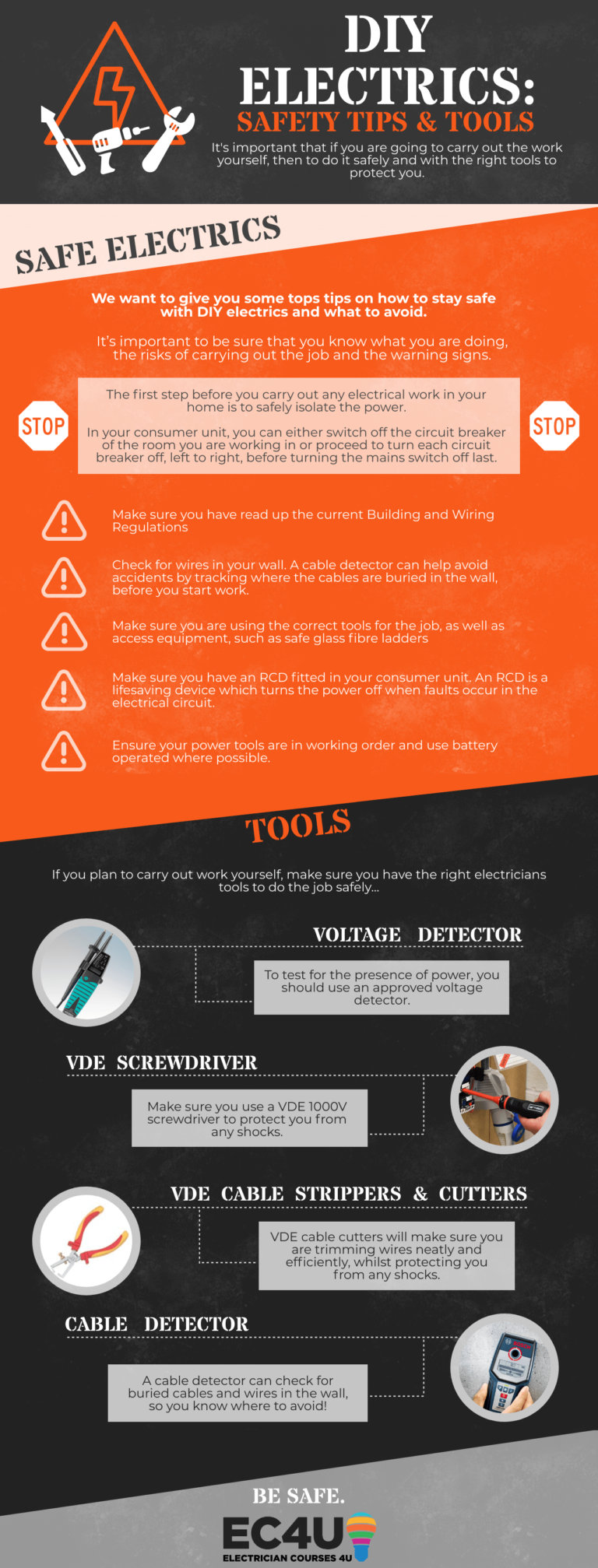
Key Takeaways: Smart Home, Smart Wiring: DIY Integration for Automation
- Smart home automation allows you to control your home’s devices and systems using technology.
- Smart wiring is the foundation of a smart home, ensuring seamless integration and communication between devices.
- DIY integration for automation is possible with the right tools, resources, and guidance.
- Proper planning and research are crucial before starting any smart home wiring project.
- Following safety guidelines and consulting professionals can help ensure a successful DIY smart wiring integration.
Frequently Asked Questions
1. What is smart home automation?
Smart home automation refers to the integration of various devices and systems within a home to create a more convenient and efficient living environment. It involves the use of technology to control and automate different aspects of a home, such as lighting, heating, security, and entertainment systems. By connecting these devices and systems through a centralized hub or network, homeowners can have greater control over their home’s functionality and can even monitor and manage it remotely.
Smart home automation offers a range of benefits, including increased energy efficiency, improved security, enhanced comfort, and simplified management of household tasks. With the ability to automate routine processes and customize settings, homeowners can create personalized environments that cater to their preferences and lifestyle.
2. How does smart wiring contribute to home automation?
Smart wiring plays a crucial role in enabling home automation. It involves the installation of a structured wiring system that connects various devices and systems within a home, allowing them to communicate and work together seamlessly. Smart wiring typically includes the installation of data cables, power cables, and other necessary infrastructure to support the integration of different smart devices.
By having a well-designed smart wiring system in place, homeowners can easily add and control smart devices, such as smart thermostats, smart lighting, and smart security systems. Smart wiring also provides the necessary infrastructure for future upgrades and expansions, ensuring that the home automation system remains flexible and adaptable to changing needs and technologies.
3. Can I install a smart home automation system myself?
Yes, it is possible to install a smart home automation system yourself, especially if you have some technical knowledge and experience. Many smart devices and systems are designed to be user-friendly and easy to set up, with step-by-step instructions provided. However, it is important to note that the complexity of the installation process may vary depending on the specific devices and systems you choose to integrate.
Before attempting a DIY installation, it is recommended to do thorough research, read user manuals, and watch tutorial videos to familiarize yourself with the process. It is also advisable to start with simpler automation tasks, such as installing a smart thermostat or smart lighting, before moving on to more complex integrations. If you are unsure or uncomfortable with the installation process, it is always best to consult a professional for assistance.
4. What are the key considerations for DIY smart home wiring integration?
When integrating smart wiring for home automation, there are several key considerations to keep in mind:
Compatibility: Ensure that the smart devices and systems you choose are compatible with each other and can be seamlessly integrated into a single automation system.
Network Infrastructure: Make sure your home has a reliable and robust network infrastructure to support the communication and connectivity needs of your smart devices.
Scalability: Consider the future expansion and scalability of your smart home automation system. Choose wiring solutions that allow for easy upgrades and additions as your needs evolve.
Budget: Set a budget for your smart home automation project and choose devices and wiring solutions that fit within your financial constraints.
Safety and Security: Ensure that your smart home wiring is installed correctly and follows all safety regulations. Protect your network and devices with strong passwords and security measures.
5. Can I retrofit smart wiring into an existing home?
Yes, it is possible to retrofit smart wiring into an existing home. While it may require some additional work and modifications compared to a new construction, retrofitting can still be done to enable home automation. The process typically involves assessing the existing wiring infrastructure, making necessary upgrades or additions, and installing devices and systems that can be integrated into the smart home network.
However, retrofitting smart wiring may be more challenging and time-consuming compared to integrating it into a new construction. It may require professional assistance to ensure proper installation and compatibility with existing systems. It is recommended to consult with experts or professional electricians who specialize in smart home automation to guide you through the retrofitting process.
I Tried Building the PERFECT Smart Home: What I Learned (Mistakes Included)
Final Summary: The Power of Smart Home Integration
As we reach the end of our exploration into smart home automation and DIY integration, it is clear that the power of technology knows no bounds. With the right tools and knowledge, anyone can transform their humble abode into a cutting-edge smart home. By harnessing the potential of smart wiring, homeowners can enjoy a seamless and convenient lifestyle, where automation takes care of the little things, leaving us with more time to focus on what truly matters.
In this digital age, where connectivity is king, smart home integration opens up a world of possibilities. From controlling our lighting and appliances with a simple voice command to monitoring our security systems from afar, the convenience and peace of mind that smart homes offer are unparalleled. With the right integration and a DIY mindset, we can customize our homes to cater to our unique needs and preferences.
So, whether you’re a tech-savvy enthusiast looking to dive headfirst into the world of smart home automation or a homeowner seeking to enhance your living space, smart wiring and DIY integration hold the key. Embrace the power of technology, unleash your creativity, and embark on a journey towards a smarter, more connected home. The future is here, and it’s time to make your home a haven of innovation and efficiency.