Wired For Success: Advancing Your DIY Wiring Abilities
Get ready to take your DIY wiring skills to the next level with our guide on “Wired for Success: Advancing Your DIY Wiring Abilities.” Whether you’re a seasoned DIY enthusiast or just starting out, this article will equip you with the knowledge and techniques to confidently tackle any electrical wiring project. From basic wiring principles to advanced troubleshooting tips, we’ve got you covered.
In the world of DIY, being wired for success means having the skills and confidence to handle electrical wiring projects on your own. It’s not just about saving money, but also about gaining a sense of accomplishment and independence. So, if you’re ready to dive into the world of electrical wiring and take control of your home’s electrical systems, then this article is for you. We’ll walk you through the basics of electrical circuits, teach you how to safely wire switches and outlets, and even show you how to troubleshoot common wiring problems. So, grab your tools and let’s get started on your journey to becoming a DIY wiring pro!

Wired for Success: Advancing Your DIY Wiring Abilities
Wiring is an essential skill for any DIY enthusiast. Whether you’re installing new lighting fixtures, setting up a home theater system, or troubleshooting electrical issues, having a solid understanding of wiring can save you time, money, and frustration. In this article, we will explore the key steps and techniques to advance your DIY wiring abilities. From basic concepts to more complex projects, we will cover everything you need to know to become a wiring pro.
The Fundamentals of Wiring
When it comes to wiring, it’s crucial to start with a solid foundation of knowledge. Understanding the basics will not only ensure your safety but also help you tackle more complex projects with confidence. Here are a few key concepts to get you started:
1. Electrical Safety: Before diving into any wiring project, it’s essential to prioritize safety. Make sure to turn off the power supply to the area you’ll be working in and use proper safety equipment, such as gloves and goggles. Familiarize yourself with electrical codes and regulations to ensure compliance.
2. Types of Wiring: There are various types of wiring used in residential and commercial settings. Understanding the differences between them will help you choose the right materials for your project. Common types include single-conductor, multiconductor, and coaxial cables.
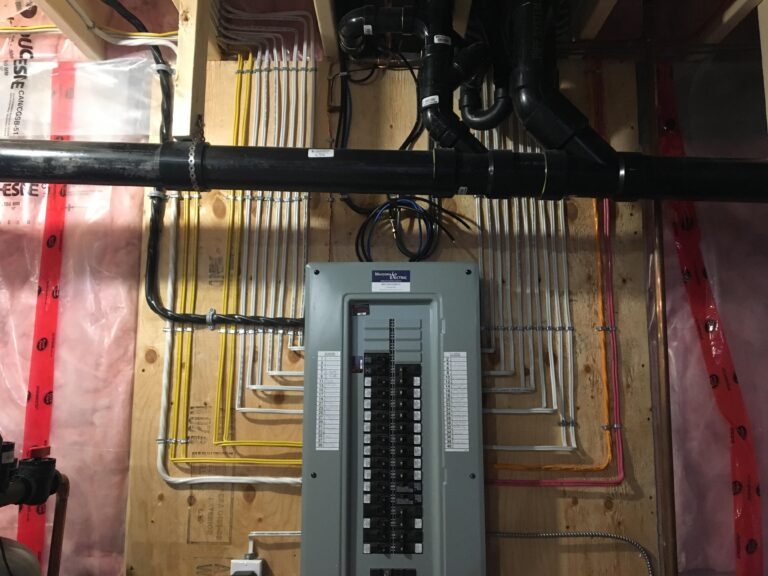
3. Circuit Breakers and Fuses: Circuit breakers and fuses are designed to protect electrical circuits from overloading. Learn how to identify and reset tripped breakers or replace blown fuses to restore power safely.
4. Wiring Tools: To execute any wiring project successfully, you’ll need a set of essential tools. These may include wire cutters, wire strippers, pliers, voltage testers, and a multimeter. Familiarize yourself with these tools and their uses.
Now that we’ve covered the fundamentals, let’s delve deeper into more specific aspects of DIY wiring.
Wiring for Lighting
Proper lighting enhances the aesthetics and functionality of any space. Whether you’re installing new light fixtures or replacing old ones, understanding the wiring behind lighting is crucial. Here are a few key points to keep in mind:
1. Understanding Electrical Circuits: Lighting fixtures are typically connected to electrical circuits. Learn how to identify the circuit that powers your desired location and ensure it can handle the additional load. Consider consulting an electrician if you’re unsure about your circuit’s capacity.
2. Switch Wiring: Switches control the on/off functionality of lighting fixtures. Familiarize yourself with different types of switches, such as single-pole, three-way, and dimmer switches. Understand how to wire them correctly to achieve the desired control.
3. Installing Light Fixtures: Whether you’re installing a ceiling-mounted fixture or a wall sconce, proper wiring is essential. Follow manufacturer instructions carefully and ensure all connections are secure. Use wire nuts or terminal blocks to join wires together.
4. Troubleshooting Lighting Issues: If you encounter any issues with your lighting, understanding the common culprits can help you diagnose and fix the problem. Check for loose connections, burnt-out bulbs, or faulty switches before seeking professional help.
Common Lighting Terms and Tips
When it comes to lighting, familiarizing yourself with common terms and tips can elevate your DIY wiring abilities. Here are a few key terms and tips to expand your knowledge:
1. Lumens: Lumens measure the brightness of a light source. When choosing light fixtures, consider the desired amount of brightness based on the lumens provided.
2. Color Temperature: Color temperature refers to the appearance of light, ranging from warm (yellowish) to cool (bluish) tones. Understanding color temperature can help you create the desired ambiance in a space.
3. Dimmer Compatibility: Not all light fixtures are compatible with dimmer switches. Check the packaging or manufacturer’s specifications to ensure compatibility before installing a dimmer switch.
4. Energy Efficiency: LED bulbs are more energy-efficient and longer-lasting compared to traditional incandescent bulbs. Consider replacing outdated bulbs with energy-efficient alternatives to save on electricity costs.
By mastering the wiring techniques for lighting projects, you’ll be well on your way to creating beautifully illuminated spaces in your home.
Wiring for Home Theater Systems
A home theater system can transform your living room into a cinematic experience. From surround sound speakers to projector setups, wiring plays a crucial role in delivering an immersive audiovisual experience. Here’s what you need to know:
1. Planning the Layout: Before diving into the wiring process, carefully plan the layout of your home theater system. Consider speaker placement, cable routing, and the location of your audiovisual components.
2. Speaker Wiring: Properly wiring your speakers ensures optimal sound quality. Familiarize yourself with speaker impedance, speaker wire gauge, and the correct connection methods for different speaker types.
3. HDMI and Audio Connections: HDMI cables are the standard for connecting audiovisual components. Understand the different types of HDMI cables, such as HDMI 2.0 and HDMI ARC, and how to connect them correctly. Additionally, learn about audio connection options like optical and RCA cables.
4. Cable Management: With multiple cables running from your audiovisual components to speakers and display devices, cable management is crucial. Use cable ties, cable clips, and cable raceways to keep your wiring organized and minimize clutter.
Tips for Home Theater Wiring
To further enhance your DIY wiring abilities for home theater systems, here are a few tips to consider:
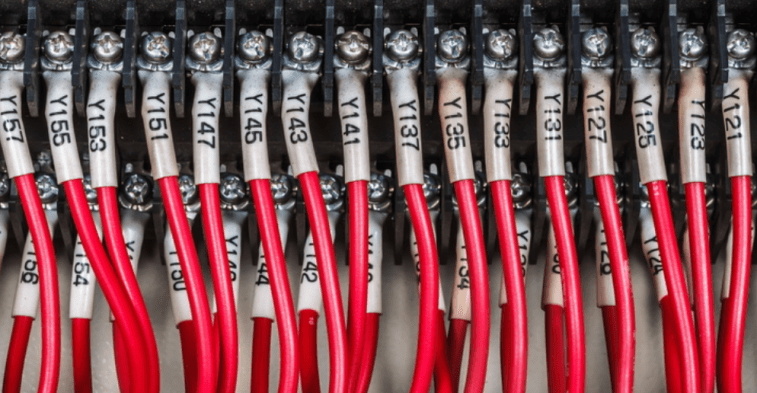
1. Label Your Cables: Properly labeling your cables during installation will save you time and frustration when troubleshooting or making changes in the future.
2. Use Banana Plugs: Banana plugs provide a secure and professional connection between your speakers and audio receiver. They eliminate the need for stripping wires and ensure solid connections.
3. Invest in a Cable Tester: A cable tester can be a valuable tool for troubleshooting any issues with your wiring. It helps identify faulty cables or connections, allowing for quick and efficient repairs.
4. Consider Wireless Solutions: If you prefer a cleaner, wire-free setup, explore wireless speaker options and wireless HDMI transmitters. These can provide flexibility in speaker placement and cable management.
With these tips and techniques, you’ll be well-equipped to set up a home theater system that rivals a professional cinema experience.
Additional Wiring Projects
In addition to lighting and home theater systems, there are numerous other wiring projects you can tackle to further advance your DIY skills. Here are a few examples:
Wiring for Smart Home Automation
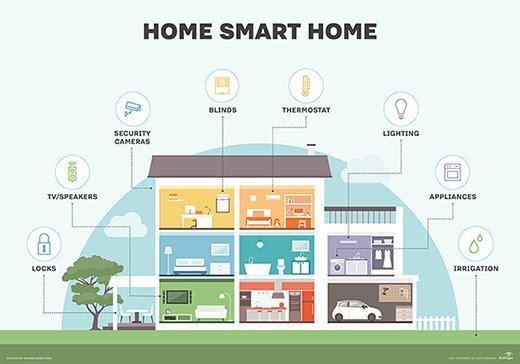
Smart home automation allows you to control various aspects of your home, such as lighting, security systems, and temperature, with ease. Learning how to wire smart home devices can enhance your home’s efficiency and convenience.
Wiring for Security Systems
Installing a security system adds an extra layer of protection to your home. Understanding how to wire security cameras, motion sensors, and control panels can help you create a comprehensive security setup.
Wiring for Electrical Outlets
Knowing how to wire electrical outlets is a fundamental skill for any DIYer. From adding new outlets to replacing old ones, being able to handle outlet wiring ensures your home’s electrical needs are met.
Wiring for HVAC Systems
If you’re comfortable working with electrical systems, learning about HVAC wiring can come in handy. Wiring thermostats, air conditioning units, and furnaces can help you troubleshoot and maintain your HVAC system.
Conclusion
In conclusion, advancing your DIY wiring abilities opens up a world of possibilities for home improvement projects. From lighting and home theater systems to smart home automation and security, understanding wiring techniques empowers you to tackle various projects with confidence. Remember to prioritize safety, continuously expand your knowledge, and seek professional help when necessary. With each project you complete, your wiring skills will grow, and you’ll be wired for success in all your DIY endeavors.
Key Takeaways: Wired for Success: Advancing Your DIY Wiring Abilities
- Start small and learn the basics of electrical wiring before taking on bigger projects.
- Always turn off the power before working on any electrical wiring to avoid accidents.
- Invest in quality tools and equipment to ensure safe and efficient wiring work.
- Understand the different types of wires and their uses to make informed decisions during installations.
- Seek professional help or guidance when dealing with complex wiring systems or unfamiliar situations.
Frequently Asked Questions
What are the key benefits of advancing your DIY wiring abilities?
Advancing your DIY wiring abilities can bring several benefits. Firstly, it allows you to save money by tackling electrical projects on your own, without the need to hire a professional electrician. This can be particularly useful for smaller projects or repairs. Secondly, it gives you a sense of empowerment and independence, as you become more self-reliant when it comes to electrical work. Thirdly, improving your wiring skills can enhance the safety of your home or workspace, as you’ll have a better understanding of how to handle electrical systems properly.
Furthermore, advancing your DIY wiring abilities opens up opportunities for creativity and customization. You’ll be able to design and implement unique electrical setups tailored to your specific needs and preferences. Lastly, acquiring new skills and knowledge in wiring can be a fulfilling and rewarding experience, boosting your confidence and expanding your skill set.
What are some resources to help me advance my DIY wiring abilities?
There are numerous resources available to help you advance your DIY wiring abilities. One of the best places to start is by exploring online tutorials and instructional videos. Platforms such as YouTube offer a wealth of content created by experienced electricians and DIY enthusiasts, providing step-by-step guidance on various wiring projects.
In addition to online resources, you may also consider investing in books or manuals that focus on electrical wiring. These resources often provide comprehensive explanations, diagrams, and troubleshooting tips. Attending workshops or courses offered by local community colleges or trade schools can also be beneficial, as they provide hands-on training and guidance from professionals in the field.
What are some common safety precautions to keep in mind when advancing your DIY wiring abilities?
When advancing your DIY wiring abilities, safety should always be a top priority. Here are some key safety precautions to keep in mind:
1. Always turn off the power to the circuit you’ll be working on at the circuit breaker or fuse box before starting any wiring project.
2. Use proper safety equipment, such as insulated gloves and goggles, to protect yourself from electrical hazards.
3. Double-check that all wires are properly connected and secured before restoring power.
4. Avoid overloading circuits by ensuring they are rated for the intended electrical load.
5. Never work on live wires or circuits unless you are a trained professional.
By following these safety precautions and using common sense, you can greatly reduce the risk of electrical accidents or injuries.
How can I practice and improve my DIY wiring abilities?
Practicing and improving your DIY wiring abilities requires a combination of hands-on experience, self-education, and continuous learning. Here are some ways to enhance your skills:
1. Start with small projects and gradually work your way up to more complex ones. This allows you to gain confidence and experience while minimizing the risk of mistakes.
2. Seek out opportunities to assist or shadow experienced electricians. This will provide valuable insights and allow you to learn from their expertise.
3. Stay up-to-date with the latest electrical codes and regulations. This ensures your wiring work meets safety standards and reduces the likelihood of issues.
4. Experiment with different wiring techniques and materials to expand your knowledge and understanding of electrical systems.
5. Continuously educate yourself through books, online courses, and workshops to stay abreast of new technologies and practices in the field.
Are there any specific tools I should have to advance my DIY wiring abilities?
Having the right tools is essential when advancing your DIY wiring abilities. Some key tools to consider include:
1. Wire cutters and strippers: These tools are used to cut and strip the insulation from wires.
2. Screwdrivers: You’ll need a variety of screwdrivers, including flathead and Phillips, for removing and installing electrical outlets, switches, and panels.
3. Voltage tester: This tool allows you to check if a circuit is live or not, ensuring your safety before starting any work.
4. Wire nuts and connectors: These are used to secure and join wires together.
5. Fish tape or wire pulling tools: These tools help you route wires through walls and conduits.
6. Electrical tape and wire labels: These items are useful for securing and labeling wires to keep your wiring organized.
Investing in high-quality tools will not only make your DIY wiring projects easier but also contribute to their overall safety and success.
Tips from a pro: wiring #learn #diy #electrician #teach #wiring #apprentice #custom #tips #tools
Final Thoughts: Mastering DIY Wiring for Success
Congratulations! You’ve reached the end of our journey into the world of DIY wiring. We’ve covered a lot of ground, from understanding the basics to exploring advanced techniques. Now, armed with your newfound knowledge, it’s time to put it into practice and take your wiring abilities to the next level.
Remember, practice makes perfect. As you embark on your DIY wiring projects, don’t be afraid to make mistakes. Each misstep is an opportunity to learn and grow. With time and experience, you’ll become more confident in your abilities, and soon enough, you’ll be tackling complex wiring tasks with ease.
One of the key takeaways from this guide is the importance of safety. Whether you’re a seasoned DIYer or just starting out, never compromise on safety precautions. Invest in quality tools, wear protective gear, and always double-check your work. By prioritizing safety, you’ll not only protect yourself but also ensure the longevity and reliability of your electrical installations.
In the world of DIY, knowledge is power. Stay curious and continue expanding your understanding of wiring principles. Explore online resources, attend workshops, and connect with fellow DIY enthusiasts. The more you learn, the more you’ll be able to accomplish.
So, get out there and start wiring! Whether you’re revamping your home’s electrical system or working on a fun project, embrace the challenges and enjoy the satisfaction that comes with a job well done. With your newfound skills and a passion for DIY, you’re wired for success!
Remember, always follow safety guidelines, keep learning, and have fun on your DIY wiring adventures. Happy wiring!